Pigmented limewash
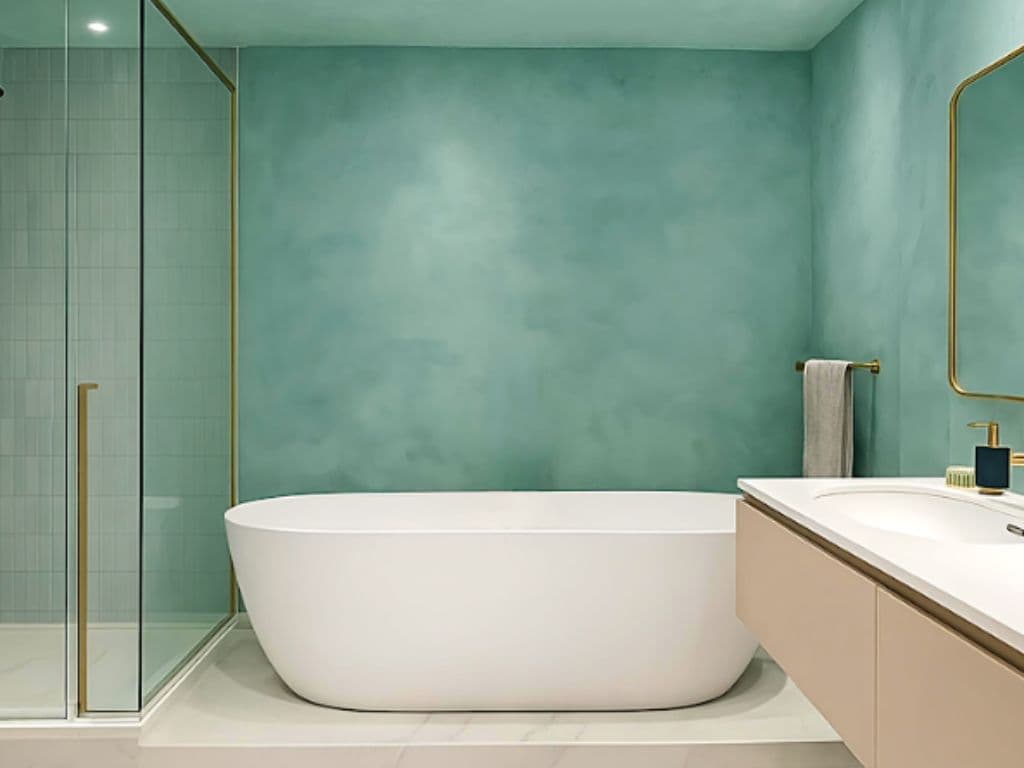
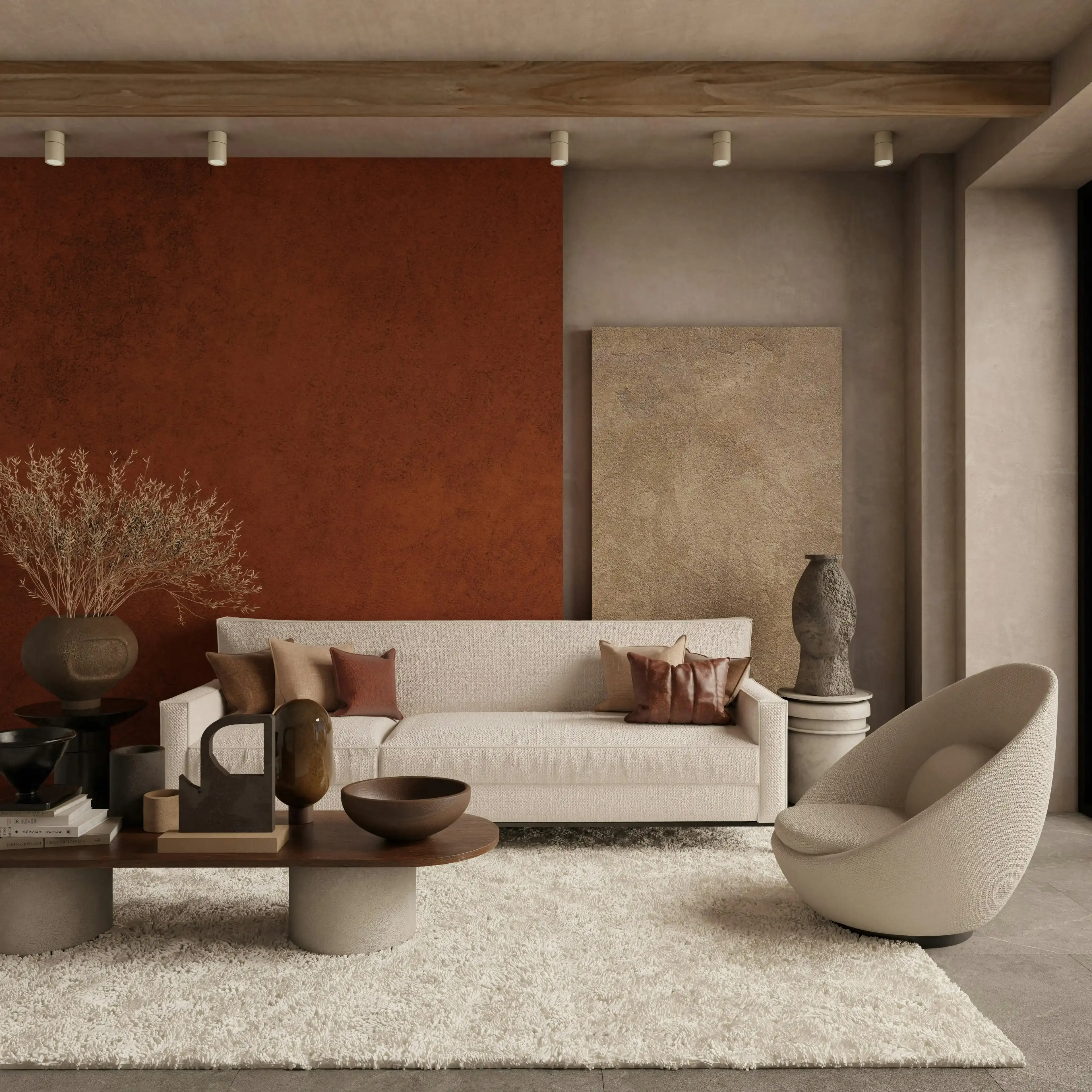
The terracotta or clay-toned feature wall, and often a whole room. Two cross-laid coats so the movement reads as cloud. This is the single finish that separates boho from a beige room with cushions in it.

Warmth without formality — pigmented limewash, real natural fibre and layers you can change, all sitting on a shell kept deliberately plain so the layering reads as collection rather than clutter.
the defining idea
Boho is the only style on this site where the build is deliberately simple and almost all the character arrives afterwards. There is no stone package, no complex joinery and no concealed lighting first fix. What there is instead is a hand-applied wall finish, a restrained shell, and then rugs, ceramics, textiles and plants layered on top over months rather than installed in a week.
Which makes the discipline counter-intuitive. The way to get a rich, layered, collected room is to make the base as quiet as you can bear — plain cabinetry, a calm floor, one textured wall — because that is what gives the layering somewhere to sit. Every boho scheme that reads as clutter rather than collection made the same mistake: a busy shell and busy layering, competing with each other.
The second thing worth saying plainly is that this style depends on real materials in a way its low budget disguises. Synthetic rattan, printed jute and a terracotta wall rolled on in vinyl matt are all convincing in a photograph and all obvious from a metre away. Pigmented limewash on one wall does more for a property than a whole scheme of substitutes.
If a boho room feels cluttered, the answer is almost never fewer cushions. It is a simpler floor and plainer joinery underneath them.
Halo design and build team
Six tones, and only two of them belong on a wall. Select a swatch for where it lands and why.
The signature wall, in a pigmented limewash or clay paint rather than an emulsion. Colour applied as a mineral finish moves as the light crosses it; the same colour in vinyl matt sits flat and reads as a decision made in a shop.
Ten materials and the Halo trade behind each. Two of these are photographs of sourcing rather than of rooms — rugs and basketware are bought, not specified, and that is genuinely part of how this style works.
The terracotta or clay-toned feature wall, and often a whole room. Two cross-laid coats so the movement reads as cloud. This is the single finish that separates boho from a beige room with cushions in it.
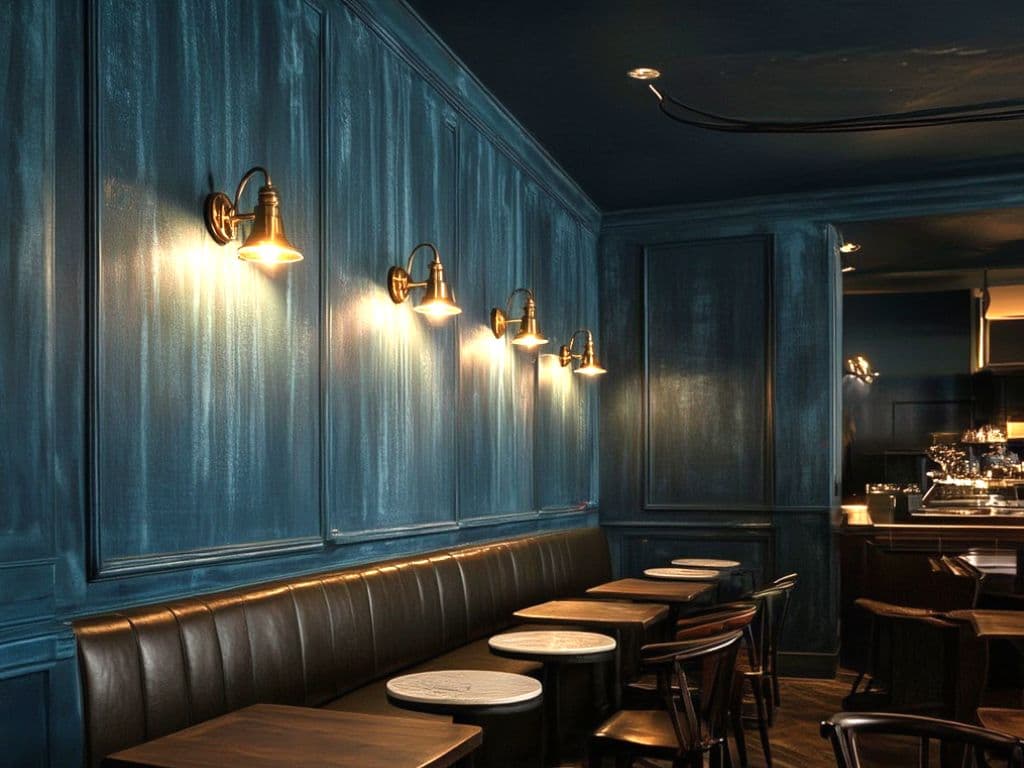
The heavier hand, for an alcove, a chimney breast or a bedroom wall. Left with the brush movement visible, which is the point — a perfectly even limewash has been over-worked.
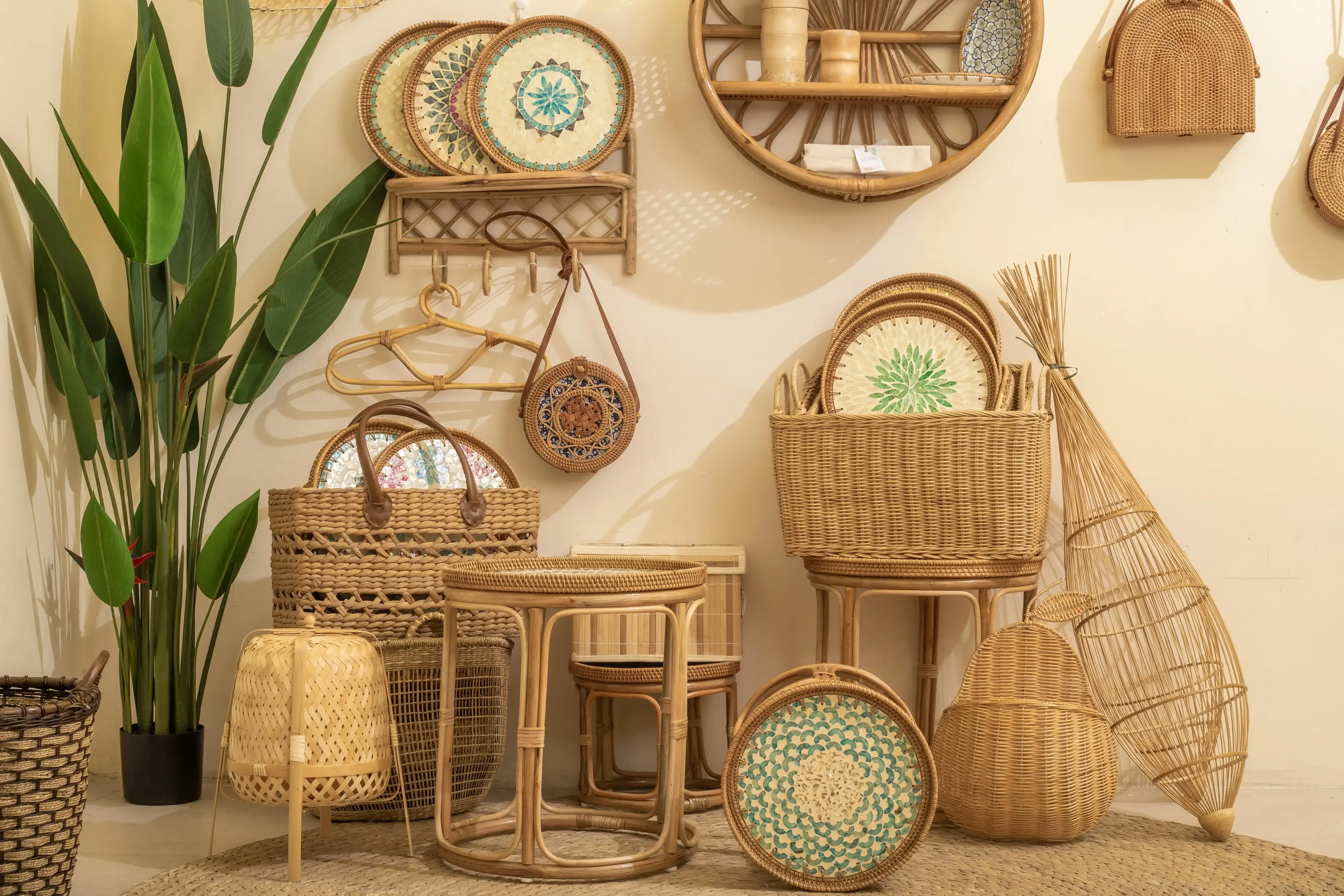
Cabinet fronts, headboards, pendant shades, screens and seating. Genuine cane webbing on a timber frame rather than a moulded synthetic — this is the material most often faked in the style and the easiest to catch.
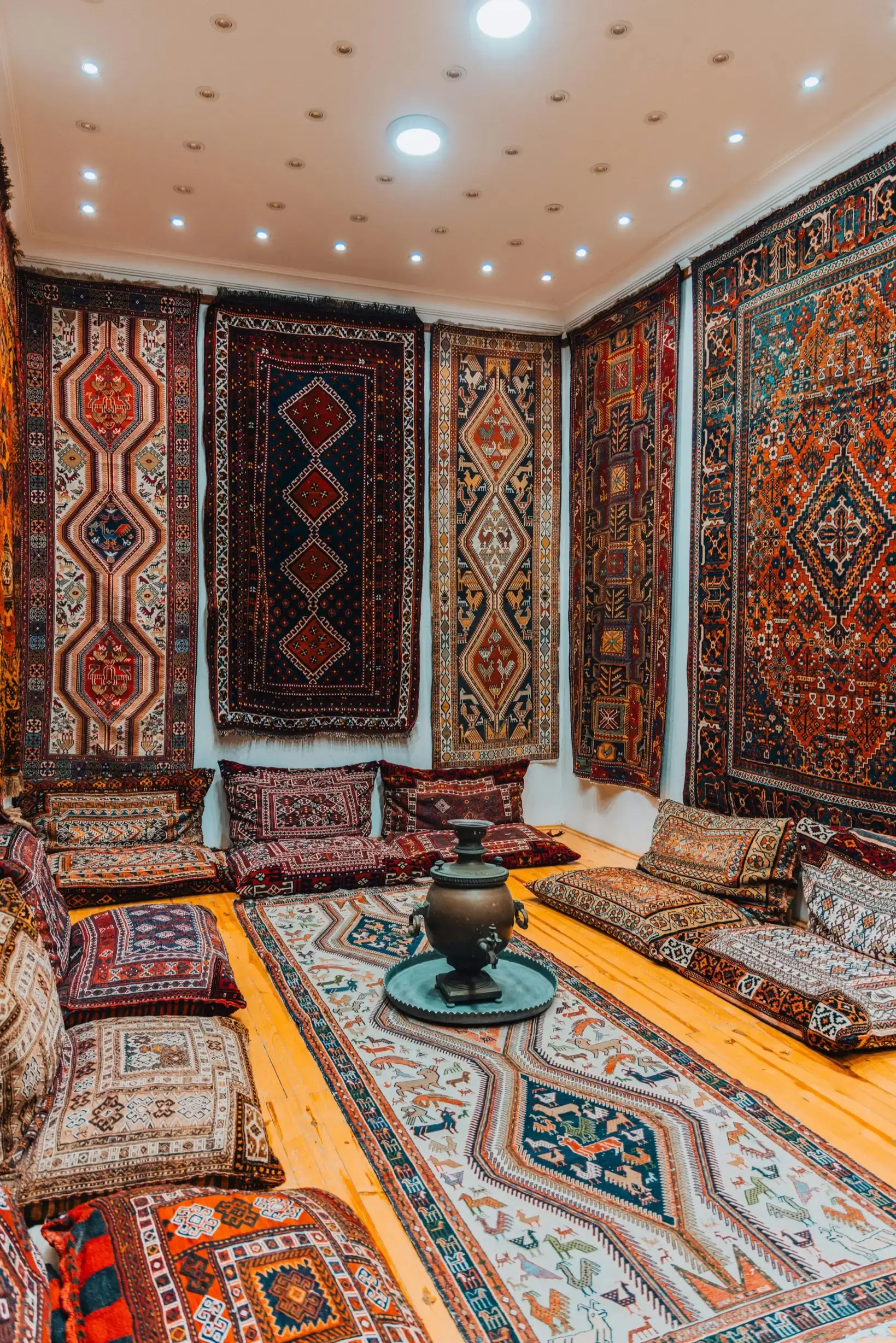
Layered rather than single — a large jute or sisal as the base, a kilim or hand-knotted piece over it. Sourced rather than specified, which is why this line usually sits with the client rather than in the build contract.
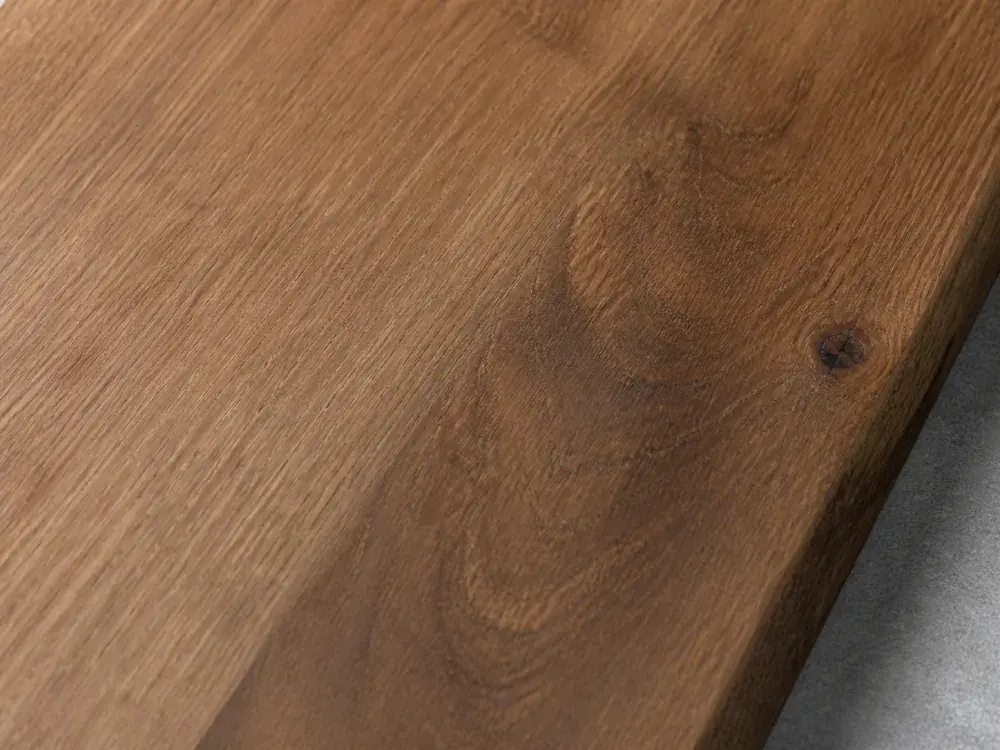
Coffee tables, benches, side tables and consoles in chunky, visibly worked stock. Deliberately unmatched to the flooring and to each other, within a single tonal family so it reads as collected rather than random.
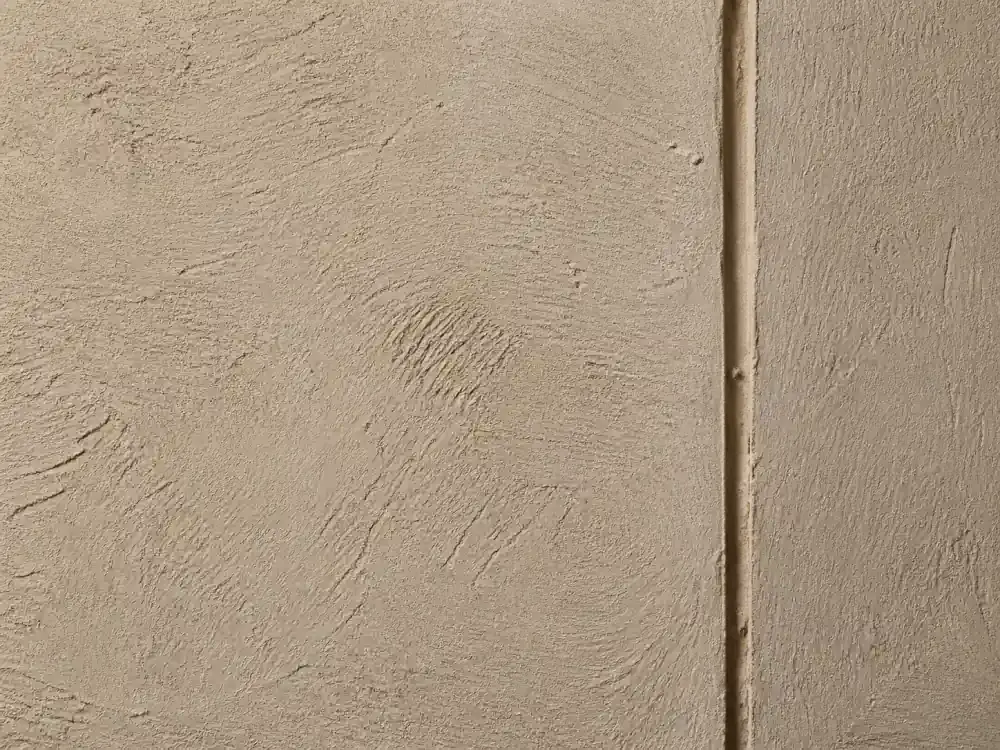
A carved, fluted or reeded panel behind a bed or a sofa, giving the wall a hand-made surface without adding another colour. One per room at most — two competing textures on adjacent walls is where layering becomes noise.
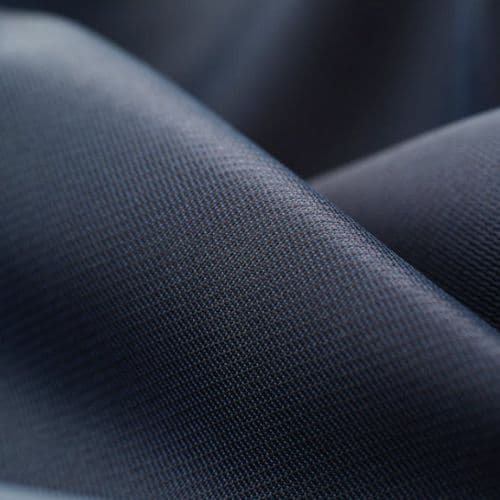
Slipcovered seating, unlined curtains over a blockout layer, and loose cushions in several weights. Washable covers are structural to the style rather than a compromise on it.
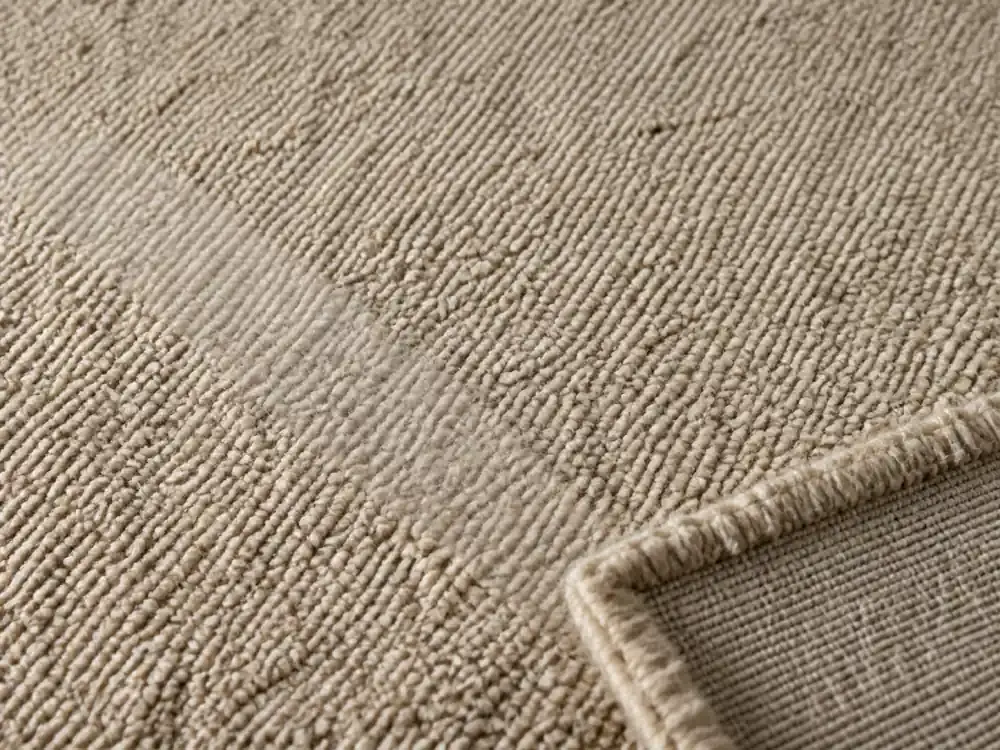
In bedrooms and over the jute base layer in living spaces. Wool where feet actually land — jute alone is rough underfoot, sheds continuously, and does not survive a family room.
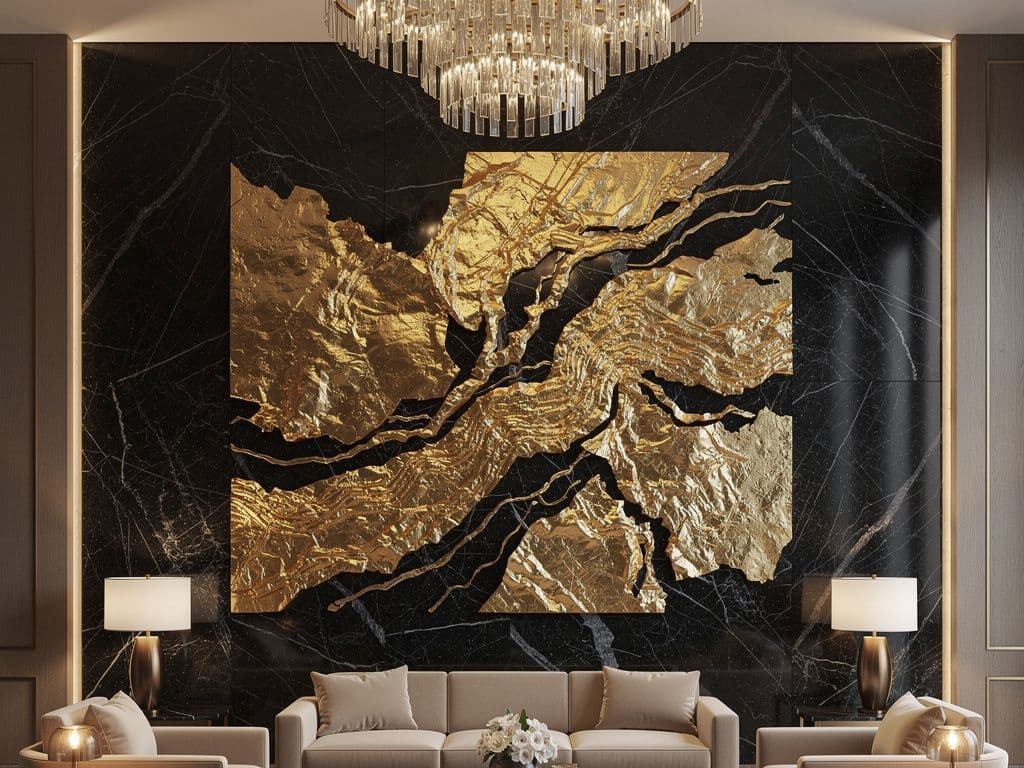
A hand-worked plaster or a painted arch marking a zone in an open plan. Boho tolerates a painted shape on a wall where almost no other style on this site does, and it is an inexpensive way to give a rented or short-hold property real character.
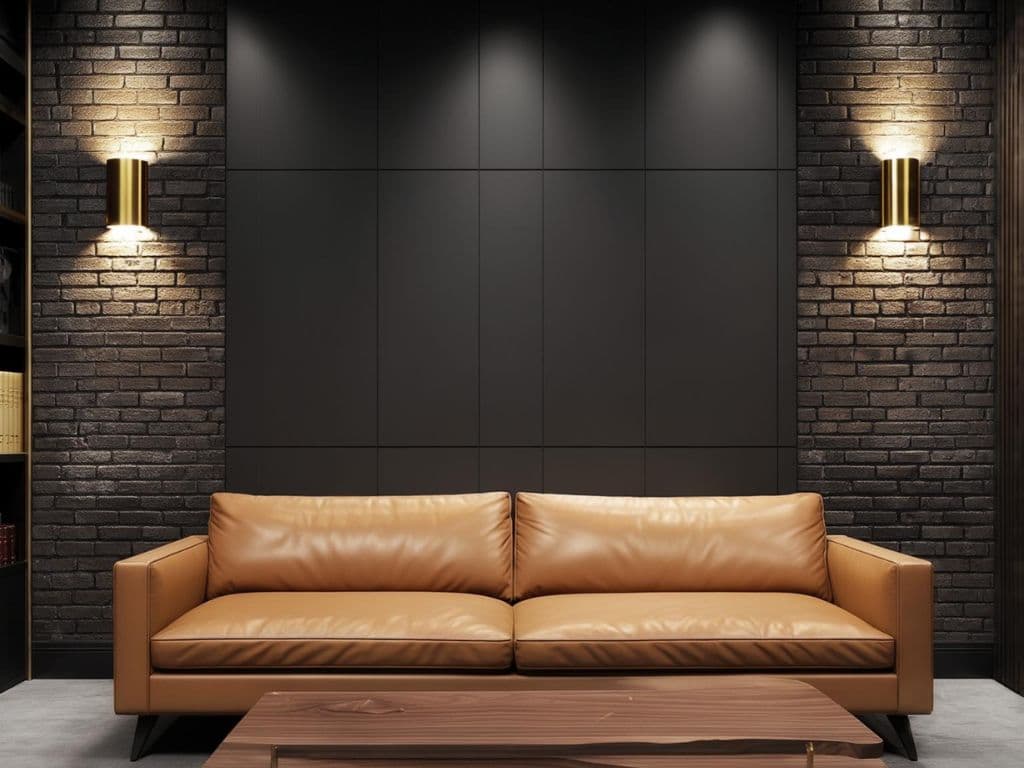
Kitchen splashbacks, a bathroom floor, a plant shelf. Handmade with visible variation, sealed matt. The irregularity is the specification, so a perfectly uniform machine tile is the wrong product even at the same colour.
the detail that decides it
The rooms that make this style work almost always have one hard geometric element holding everything together — a slim black window frame, a plain stone floor, a straight run of simple joinery. Everything soft and layered then reads as a deliberate response to that structure rather than as an absence of one. Take the structure away and the same rugs, cushions and baskets read as untidiness. It is why boho works so well in a modern Dubai apartment and so badly when someone tries to disguise the building it is in.
One hard geometric element per room · plain floor · simple joinery · everything soft layered against it
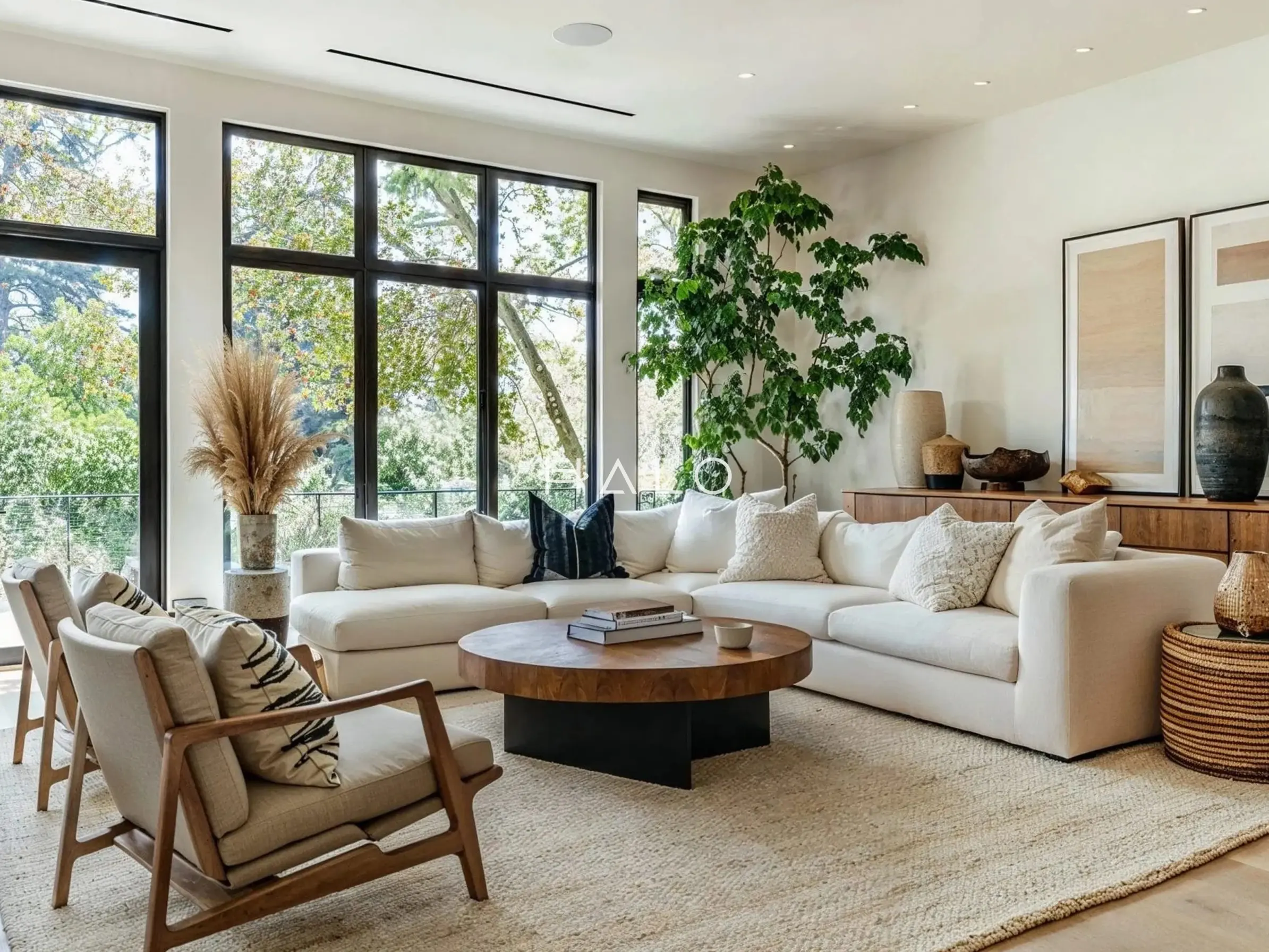
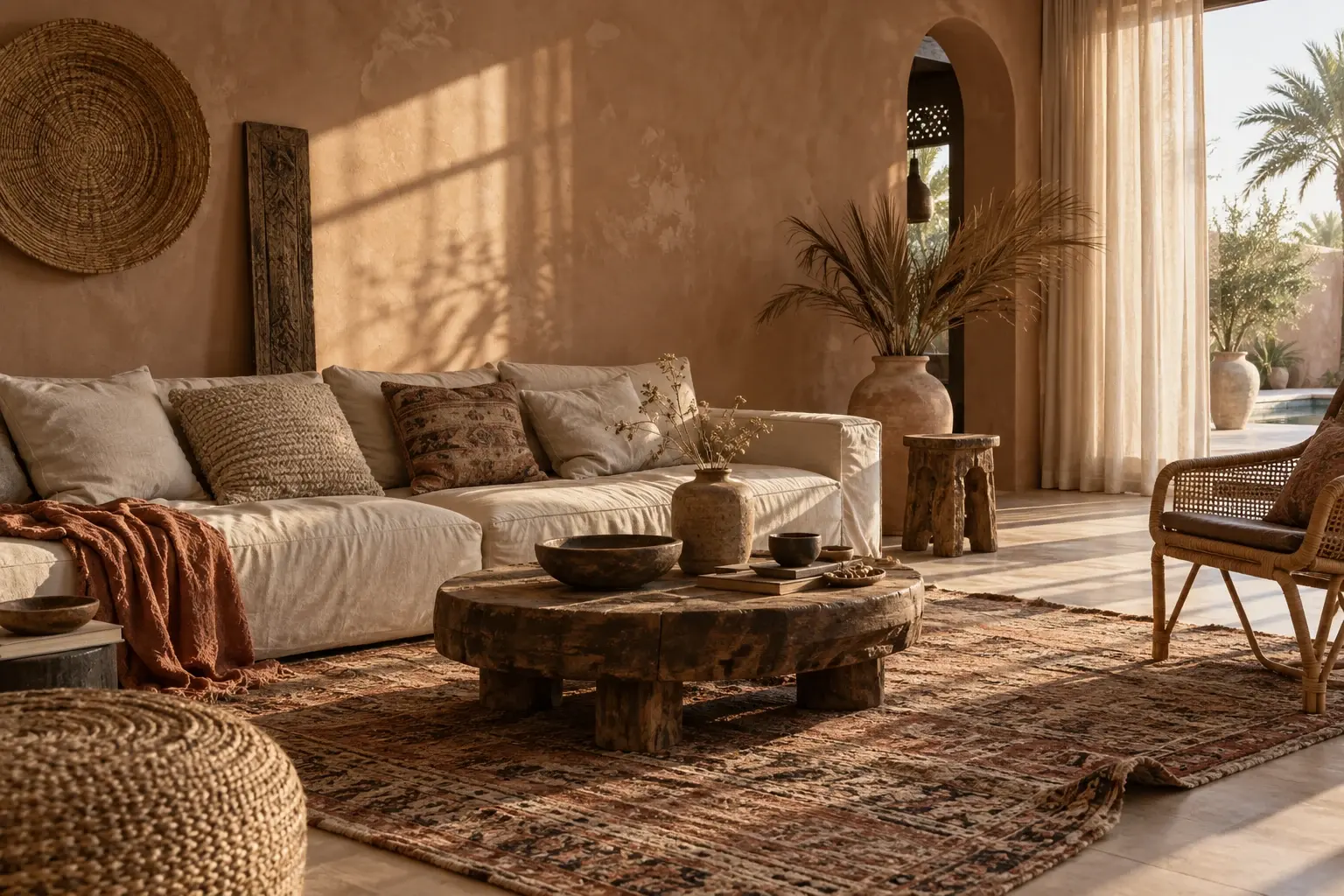
A real Halo room read as a specification — the structural line, the plant that needs a light survey, and the layers that make it look collected. Select a point on the image, or read the list.
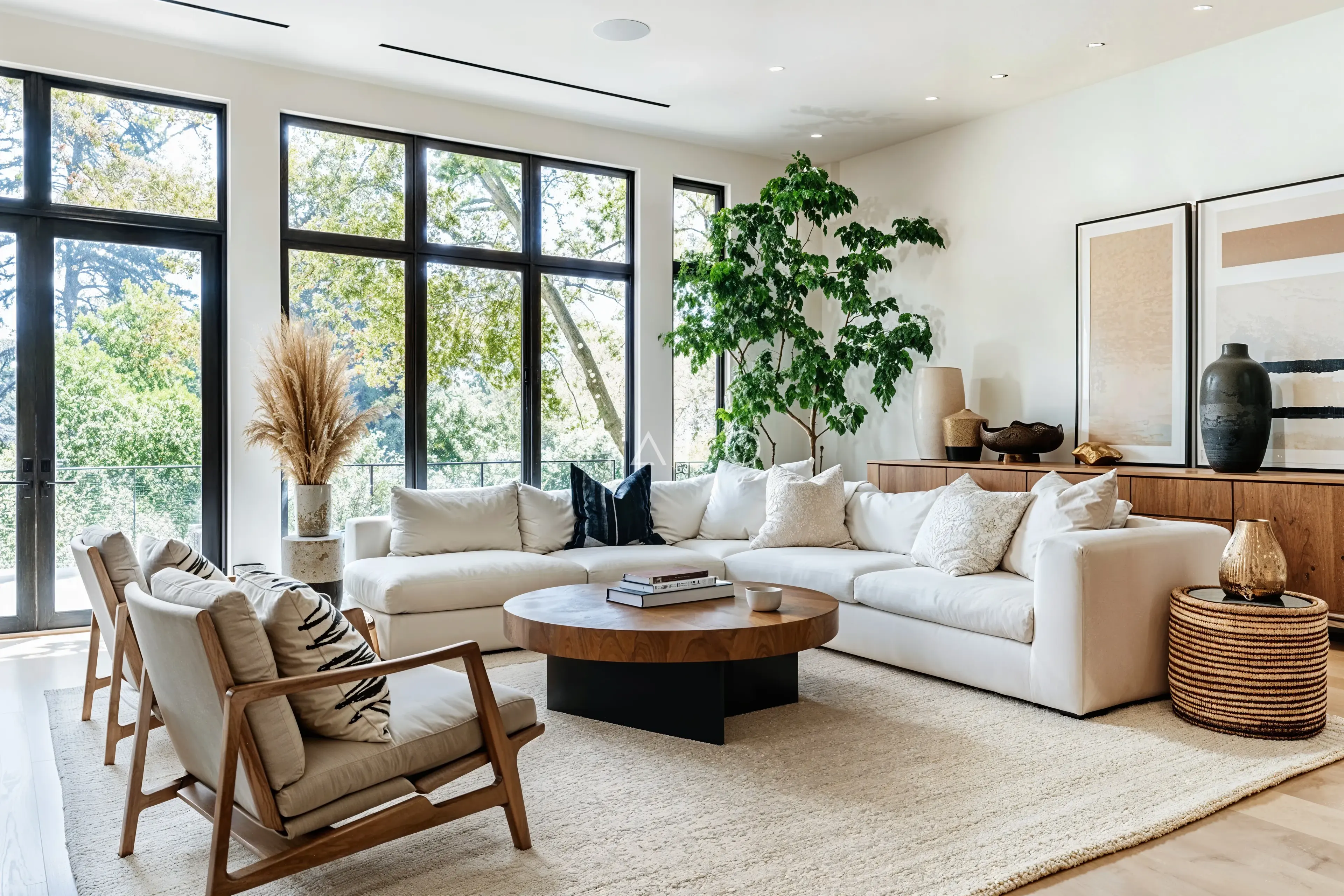
A slim black frame gives a soft, layered, low-contrast room the one hard geometric line it needs. Boho without any structure in it reads as untidy rather than relaxed, and the window frame is usually where that structure comes from for free.
One large specimen rather than a collection of small pots. It needs a genuinely bright position, a pot sized for the root ball, and drainage — the number of dead ficus trees in Dubai apartments is a direct result of this being treated as styling rather than as a living thing with requirements.
Pampas, palm or bleached stems in a floor-standing vessel, filling the vertical gap between furniture and ceiling that a low-slung room otherwise leaves empty. It is the cheapest height in the scheme and it does a great deal of work.
An armchair with a visible timber frame rather than a fully upholstered one. It keeps the room visually light — you can see the floor under and through it — which is what stops a layered scheme becoming a solid mass of soft furniture.
A round or organically shaped low table in solid timber. Boho relies on a mix of edge conditions; a room where the sofa, rug, table and window are all rectangles reads as flat-packed regardless of what it is made from.
A basket, a woven side table, a jute pouffe — natural fibre placed low, where it catches raking light and reads as texture rather than as an object. This is the layer people forget, and it is the one that makes a room look collected.
This style is loose in a living room and needs more discipline in a kitchen and a bathroom. Here is what changes.
Deep low seating in washable linen, a jute base rug with a patterned piece over it, timber-framed chairs so the floor stays visible, and a large plant giving the room its height. Colour comes entirely from cushions, throws and ceramics — everything you can change without a decorator.
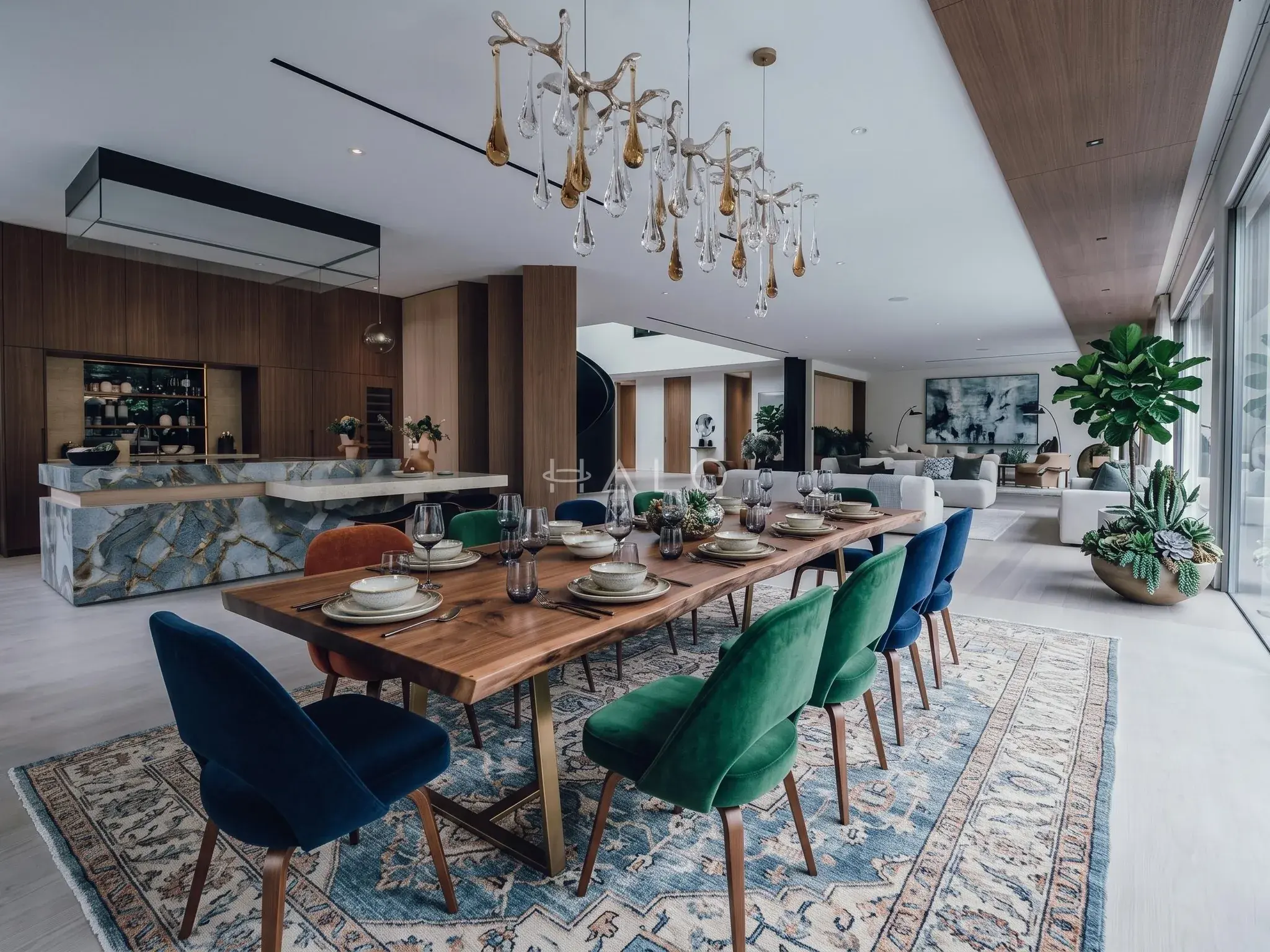
A solid timber table with chairs that do not match — same height and same tonal family, different forms. A patterned rug under the whole pulled-out footprint, a rattan or woven pendant, and open shelving carrying ceramics rather than a formal sideboard.
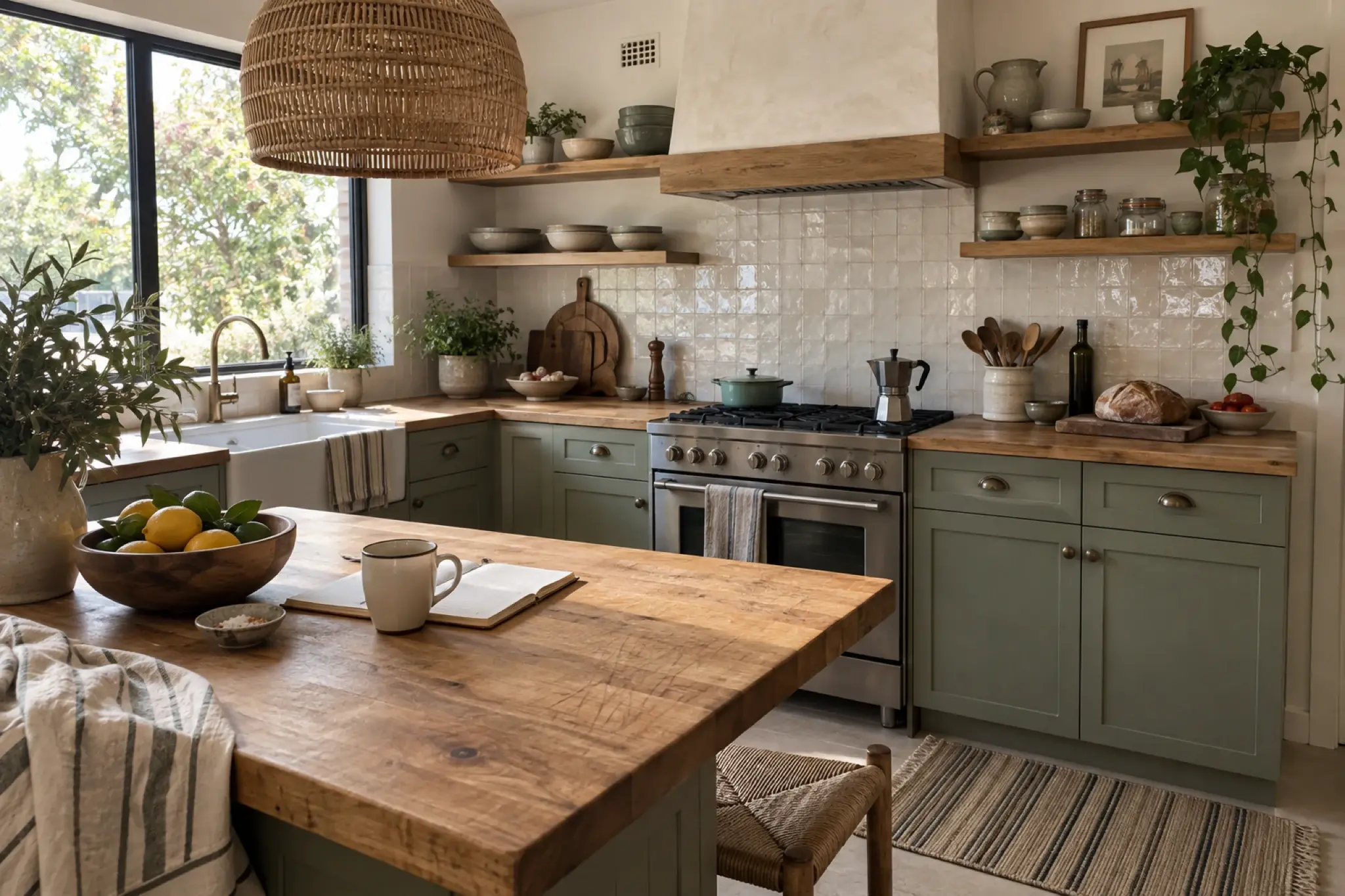
Painted cabinetry in a muted clay or sage, a handmade tile splashback with visible variation, timber open shelving and woven pendant shades. The joinery itself is simple — boho puts its money into finish and texture rather than into complex cabinetmaking.
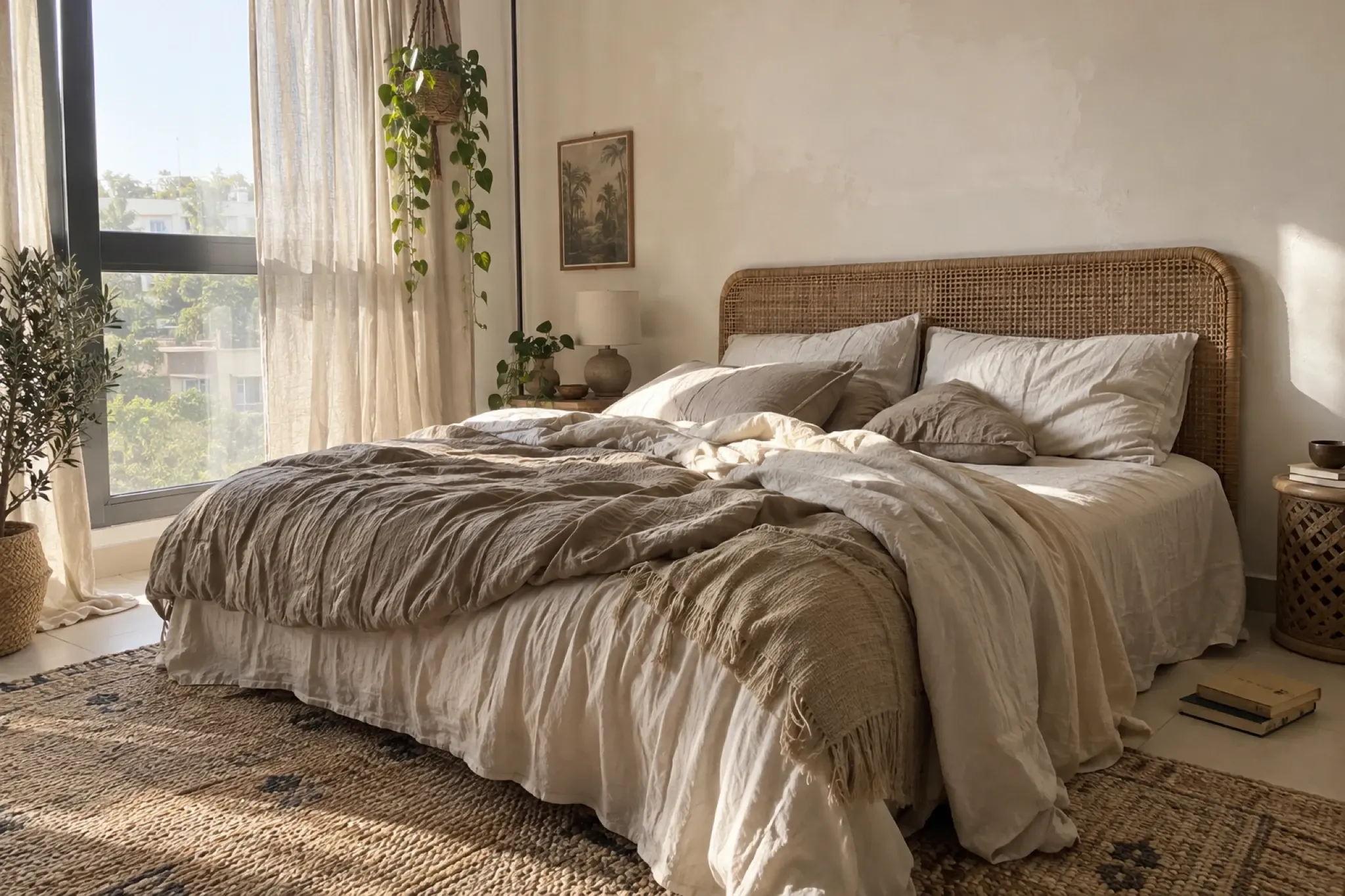
A rattan, carved or fluted headboard against a limewashed wall, layered linen bedding in several weights, a wool rug over the hard floor, and small warm light sources rather than a ceiling fitting. Curtains unlined over a blockout layer, so the morning light is filtered rather than blocked.
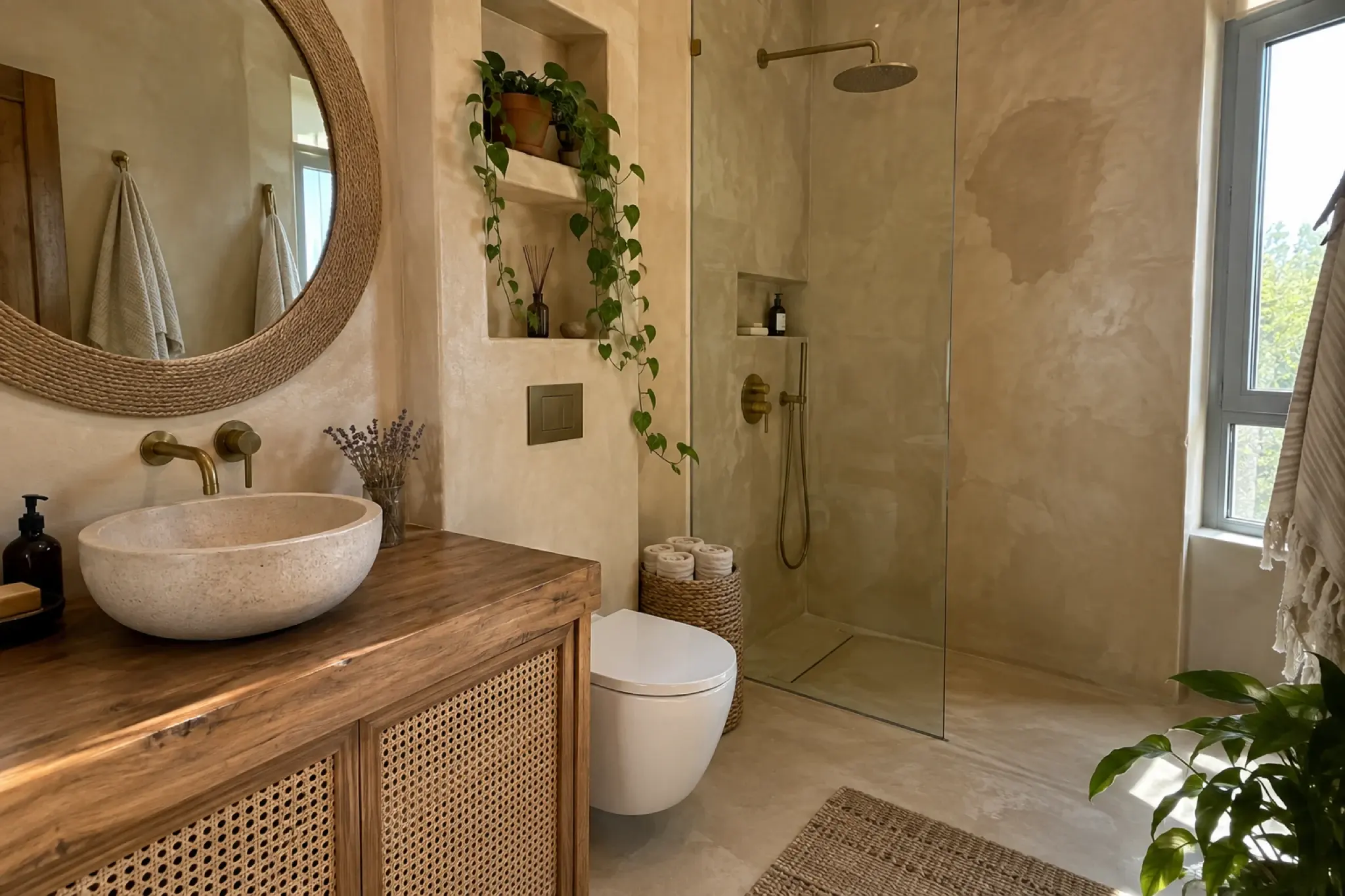
Microcement or tadelakt walls, a timber or rattan-fronted vanity, aged brass rather than chrome, a plant that genuinely tolerates a bathroom, and a woven basket instead of a cabinet. This is where the two styles are almost indistinguishable, and it is a good thing to borrow.
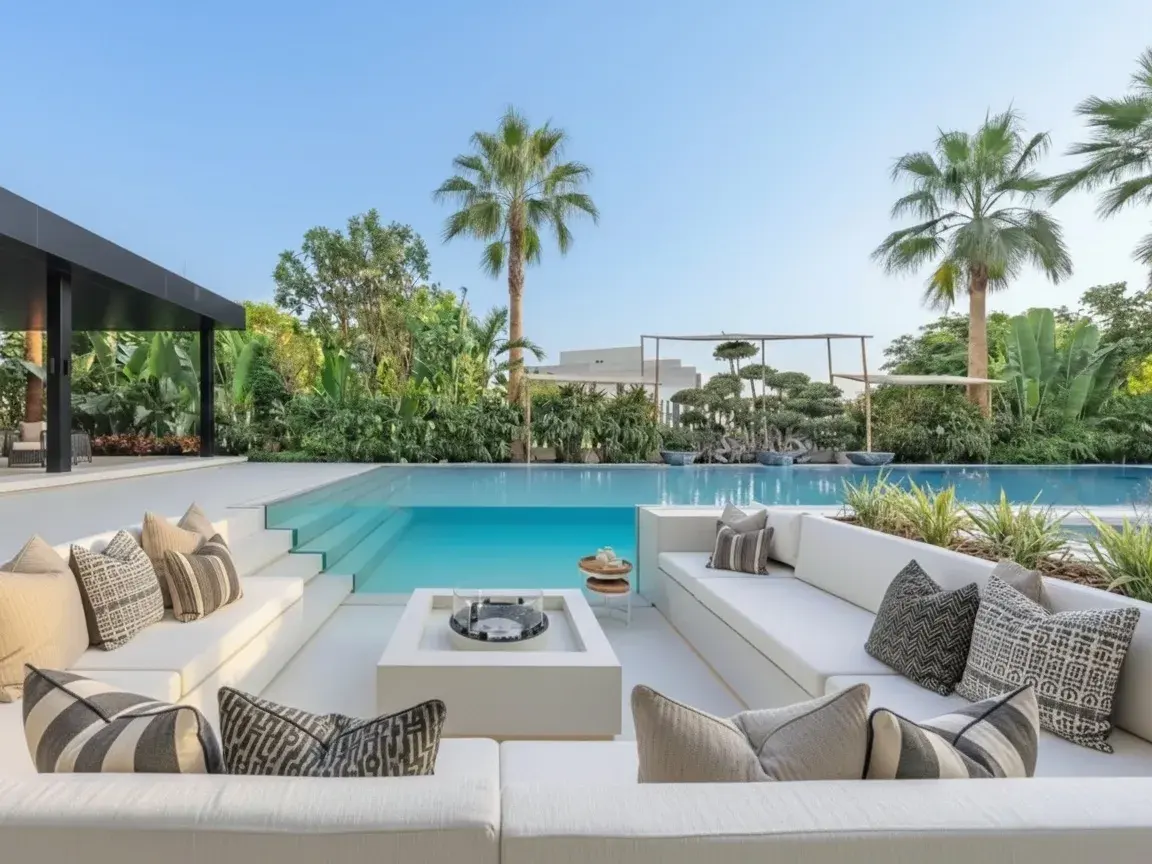
Built-in low seating around a fire feature, cushions in outdoor-grade woven stripes, and planting doing the layering work that textiles do inside. The materials change completely to solution-dyed acrylic and marine-grade carcassing, but this is one style whose informality translates outdoors almost unchanged.
Drawn from what we correct on site rather than from a mood board. The second column is the more useful one.
Three of the four below are about natural material meeting a hot, humid, bright climate. The fourth is the design problem the style has everywhere.
Jute, seagrass and untreated rattan absorb moisture, and in a Dubai summer — particularly in a coastal property or a room that is not continuously cooled — that means mildew. We specify treated or synthetic-blend fibre for anything in a bathroom or on a terrace, and keep genuine jute to continuously conditioned interiors.
The large specimen plant is central to this style, and the number of dead ficus trees in Dubai apartments is remarkable. Light levels, pot size, drainage and an irrigation plan are all part of the design. Where the position genuinely will not support a plant, we say so and use a dried arrangement instead of setting the client up to fail.
Ochre, terracotta and dyed textiles fade fast behind unshaded Dubai glazing. Solution-dyed and undyed natural fibres hold up far better than a piece-dyed cotton, and a sheer layer at the window is doing UV work as well as glare work. Anything precious does not belong in a south or west-facing window.
This is the real design problem in boho, and it is not a Dubai-specific one — but it is worse here, where fine dust makes every horizontal surface a maintenance job. The discipline is a restrained shell: plain joinery, a calm floor, one textured wall. The layering then has somewhere to sit. Layer onto a busy shell and it reads as mess.
Three warm, natural, material-led styles. The build complexity row explains most of the price difference between them.
| Attribute | Boho chicThis page | Mediterranean | Japandi |
|---|---|---|---|
| Feel | Warm, layered, collected over time | Warm, sun-bleached, unhurried | Calm, restrained, low and quiet |
| Colour source | Textiles and ceramics — everything movable | The plaster itself and the planting outside | Almost none; texture replaces colour |
| Build complexity | Low; the shell is deliberately simple | Moderate; arches and hand plaster | High; joinery and substrate flatness |
| Where the money goes | Decorative finishes, textiles and furniture | Plaster, stone and the outdoor rooms | Expressed joinery and wall preparation |
| Upkeep | Low, but dust on many surfaces is real | Low to moderate | Moderate |
| Best suited to | Apartments and villas wanting warmth without formality | Villas with courtyards, terraces and pools | Apartments and family villas wanting calm |
Indicative ranges to help you plan, not a quotation. This is the least expensive style on the site to build, and the first band alone will change a property more than its cost suggests.
how halo executes it
Boho fails by being too busy underneath and by treating living things as styling. Our sequence handles both, and then deliberately leaves the room unfinished.
We strip back visual noise in the base build — plain joinery, a calm floor, one textured wall — before adding anything. Layering onto a busy shell is the single reason boho schemes tip into clutter, and it cannot be fixed with better cushions.
Pigmented limewash is applied to your actual wall and looked at across a day. A terracotta approved from a card under showroom lighting is very often not the terracotta you wanted at four in the afternoon.
Rugs, vintage furniture and ceramics take time to find, and finding them is genuinely part of the style rather than a chore at the end. We plan the sourcing alongside the build so the property is finished when we leave rather than six months later.
Planting is specified against actual light levels with pot sizes and drainage resolved, and the lighting is many small warm sources on separate circuits rather than one ceiling fitting. Both are decided before second fix.
We finish the property styled and photographed, and then deliberately leave gaps. A boho interior that is completely finished on handover day has nowhere to go, and the whole point of the style is that it accumulates.








Our clients include Property Owners, Interior Designers, Consultants and Contractors
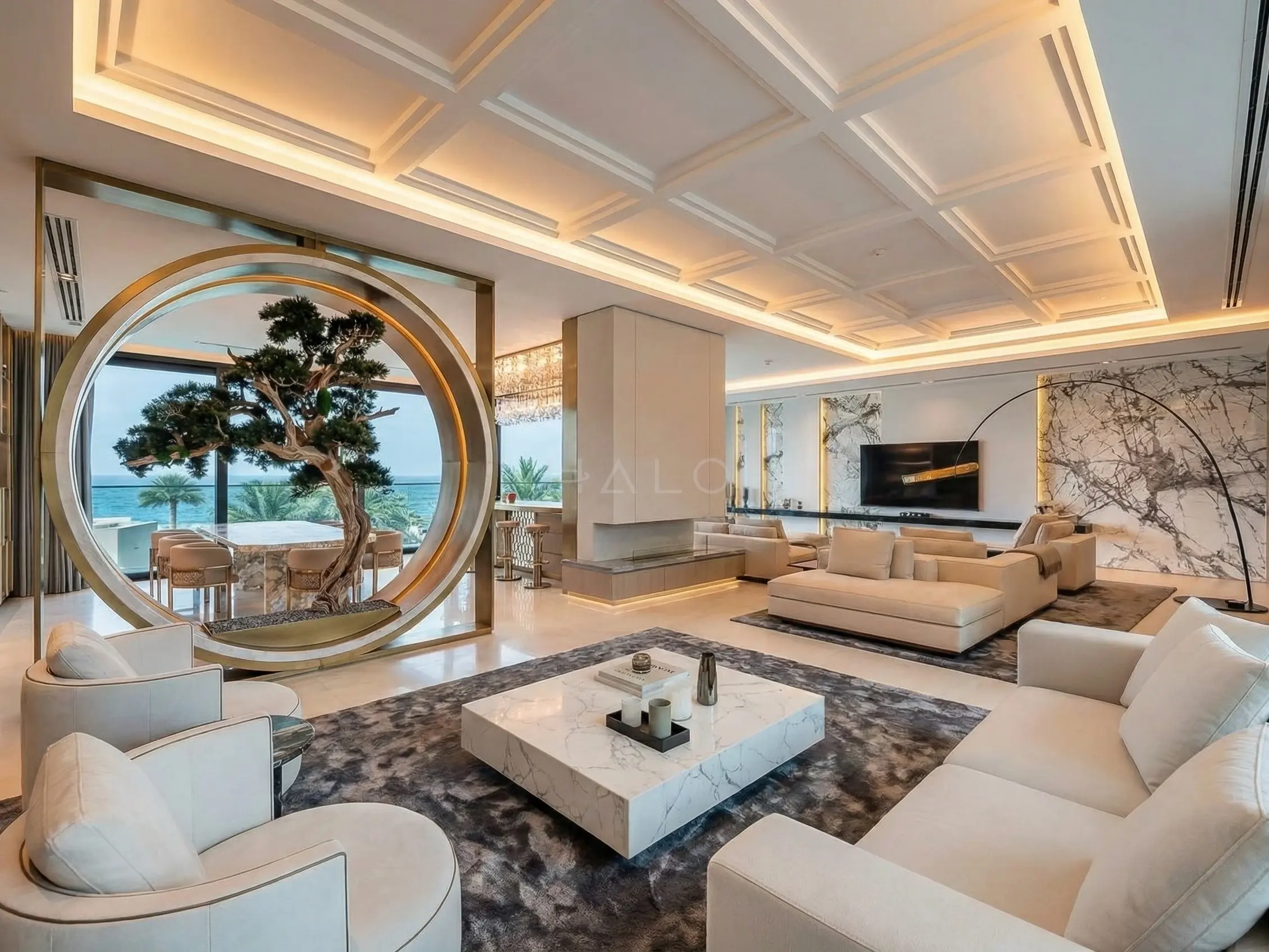
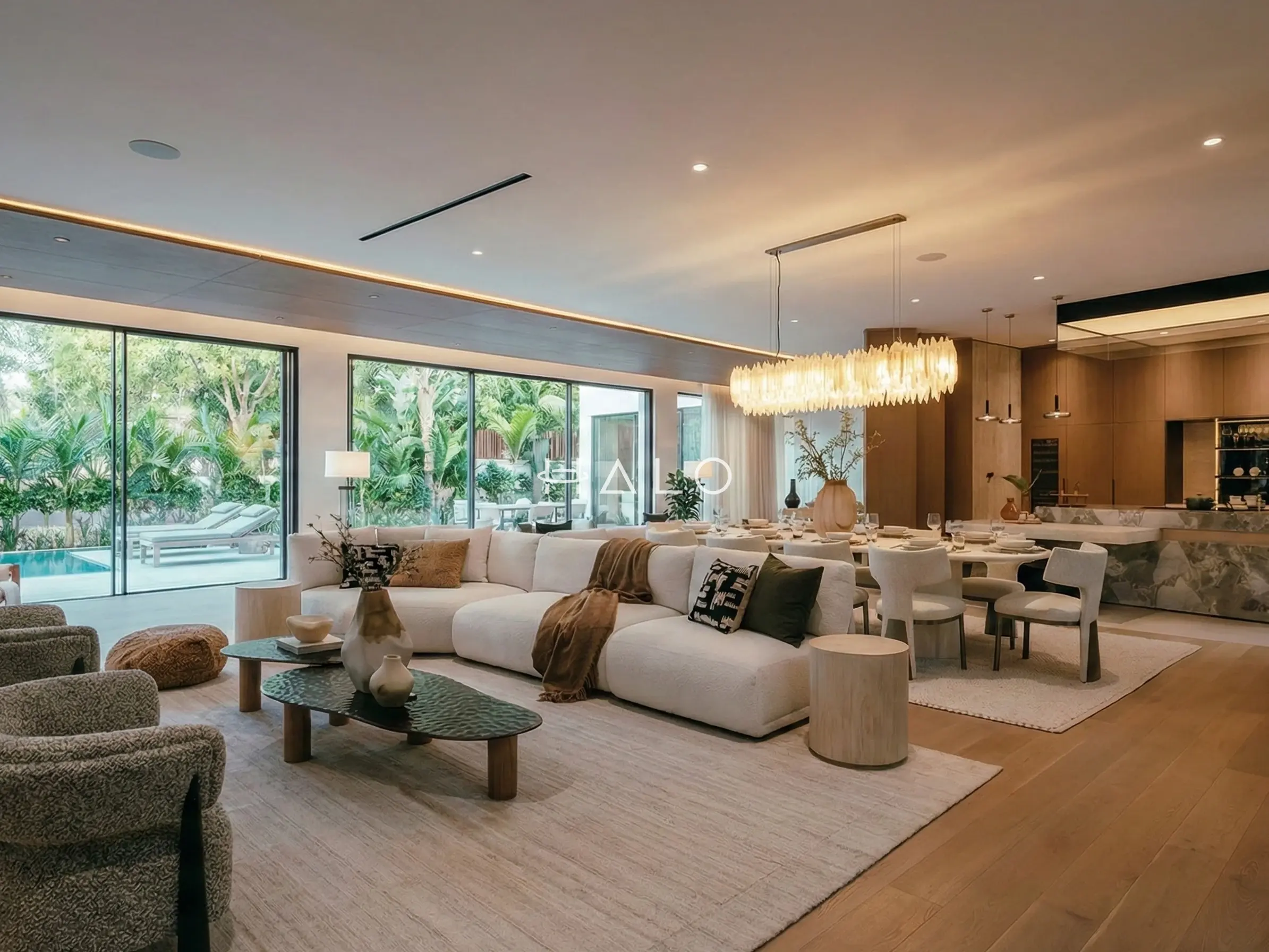
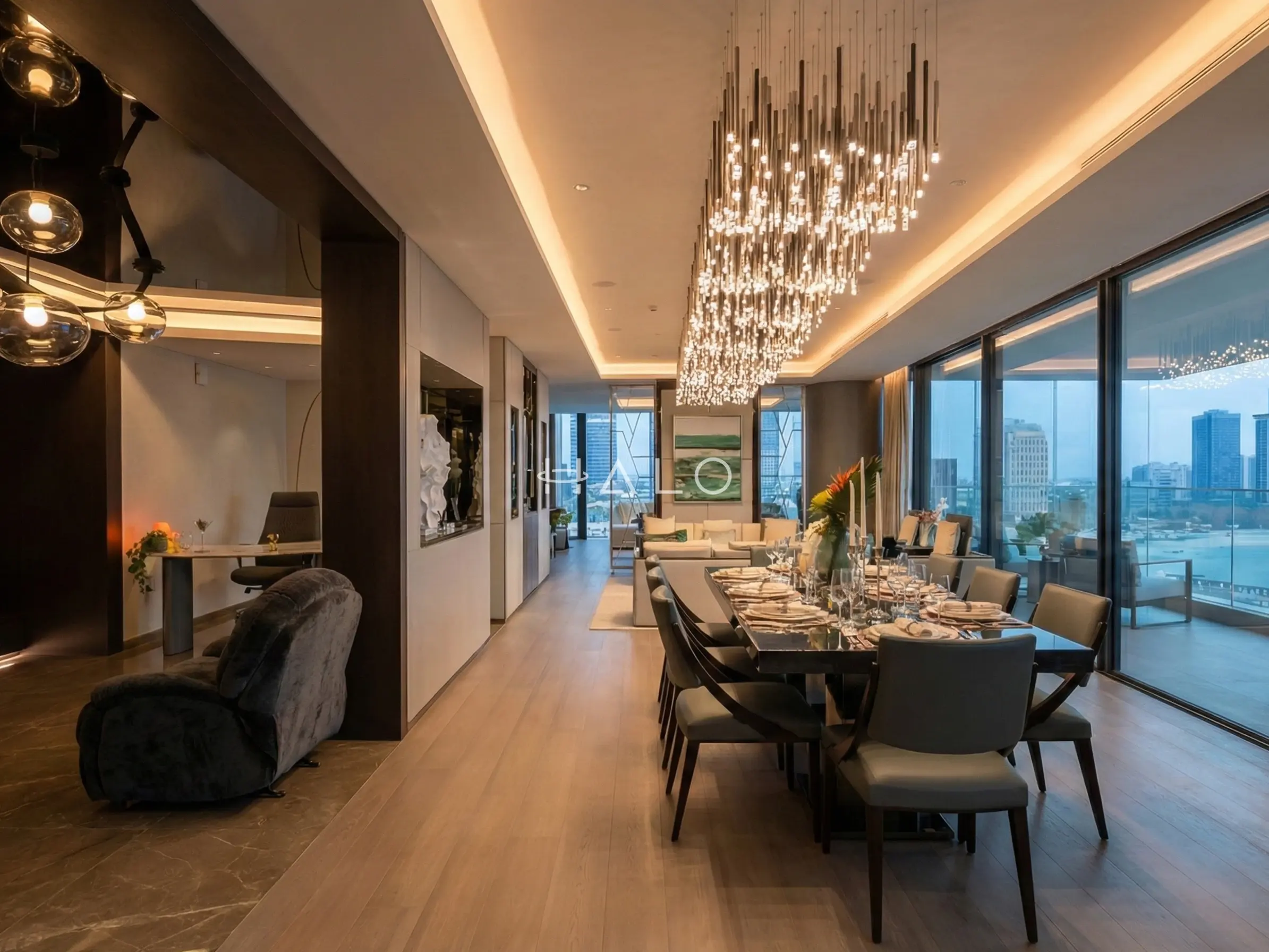

We engaged Halo Interiors for a turnkey renovation project at our property in Dubai Creek Harbour. Halo handled the entire project including design, procurement, permits, and execution of the works. Halo worked to a tight deadline and delivered a stunning design, which they then implemented to a very high standard. The quality of execution was head and shoulders above anything else I have seen in Dubai, with attention to every detail and very thorough quality control. As a client, I also felt that Halo were very honest in our dealings and this really made a difference. The pricing was also competitive and fully transparent. I cannot recommend Halo highly enough.
See full Google reviewI am so thankful Jason and Zishan from Halo for their help to conduct a property inspection and support us in how to handle a renovation project that went terribly wrong. If I could do things over again, I would have consulted with Halo prior to our renovation project and would have asked for their guidance and project management support. There are a lot of shady contractors in Dubai apparently and these guys are the only honest people you can rely on. I would give them 6 stars if I could!
See full Google reviewWe have had the pleasure of working with Halo Interiors on three different projects, and the experience has been nothing short of exceptional. Our clients have praised the quality and service provided, and we have not faced a complaint. Their premium quality joinery speaks for itself. A special mention to Huzefa, the project manager, who expertly handled our most recent renovation. I highly recommend Halo Interiors to anyone seeking top-notch craftsmanship and reliable service.
See full Google reviewWe contracted Halo for our first villa upgrade project in early 2022 and we have been using their services since then. I cannot but help appreciate the extra effort they take to ensure all our requirements are addressed. Extremely professional and reliable. I would recommend them without hesitation!
See full Google reviewThe questions owners actually ask before committing to this style in Dubai.
Boho chic is the edited version. Traditional bohemian is genuinely maximalist — saturated colour, dense pattern, a great deal of everything. Boho chic keeps the natural materials, the layering and the informality but runs a much more restrained palette and a disciplined shell underneath. In practice that is what makes it work in a modern Dubai apartment rather than fighting it.
Keep the shell plain. A calm floor, simple joinery and one textured wall give the layers somewhere to sit. The failure mode is always a busy base plus busy layering — patterned floor, complex cabinetry and a feature wall, and then rugs and cushions on top. Strip the base back and you can be far looser with everything above it.
In a continuously air-conditioned interior, yes. In a bathroom, on a terrace, or in a property that sits closed up and warm for weeks, natural fibre will mildew. We specify treated fibre or a synthetic blend for those positions and keep genuine jute and cane to the conditioned rooms, which is a specification decision rather than a compromise.
It is the least expensive style on this site to build, genuinely. There is no stone package, no complex joinery and no concealed lighting first fix. But a large share of the finished look is furniture, rugs and ceramics, and that spend is real even though it usually sits outside a contractor’s contract. The decorative finishes band alone — pigmented limewash throughout — transforms a property for a fraction of a full fit-out.
Very well, and the contrast is part of why. A slim black window frame and a hard floor give the soft, layered material a structure to push against, which a genuinely rustic shell would not. What does not work is fighting the building — trying to disguise a contemporary tower interior as a Moroccan riad reads as costume.
For decorative finishes alone in an apartment, two to three weeks. For a full interior, ten to fourteen. The build is fast; the sourcing is what takes time, which is why we start it alongside the build rather than at the end.
Send us the property type and whether you are after decorative finishes or a full interior. We will come back with what it will genuinely cost — and if the finishes alone are the right answer for your property, we will say so.
If pigmented limewash alone is the right answer for your property, that is what we will recommend.
Limewash is approved on site across a whole day, never from a card under showroom lighting.
Rugs, vintage pieces and ceramics take time to find, so we start looking while the site work is running.
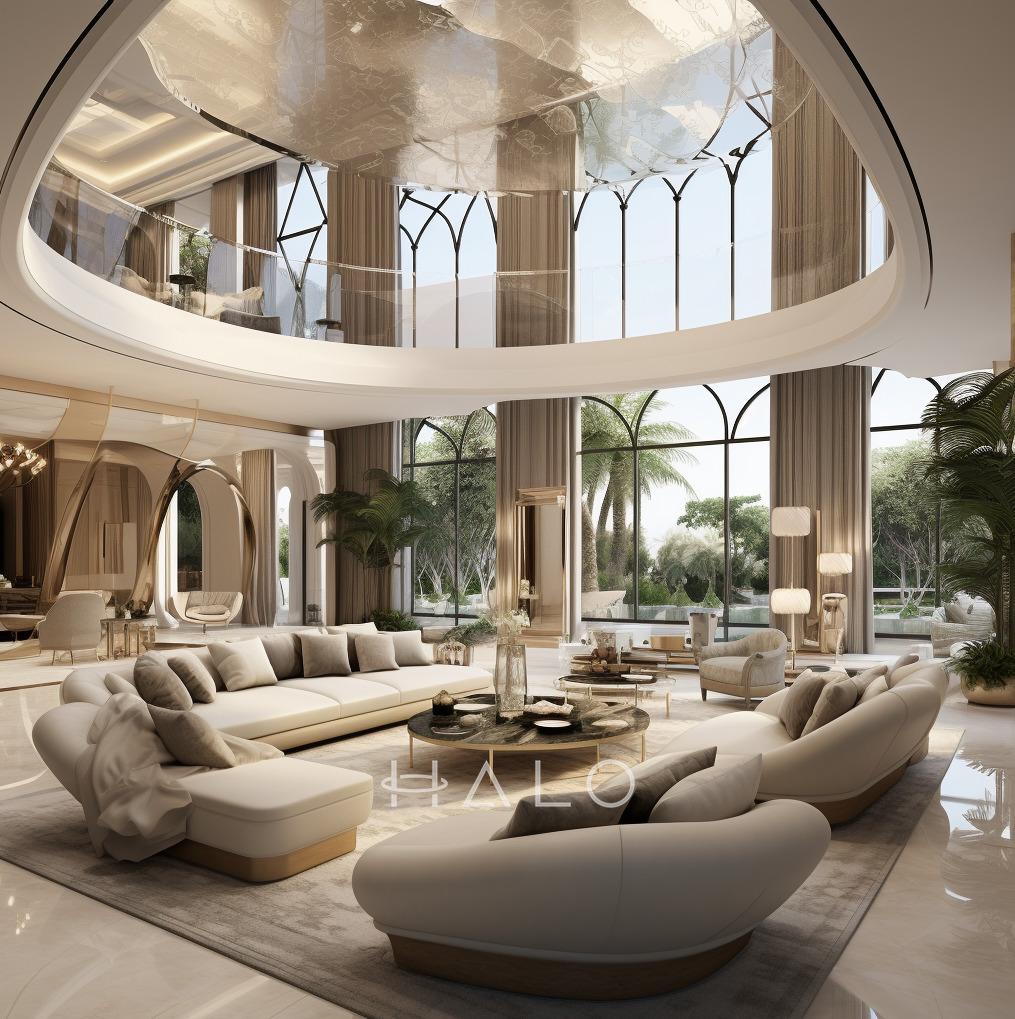
Current, fresh designs that reflect today's trends with clean lines and modern aesthetics.
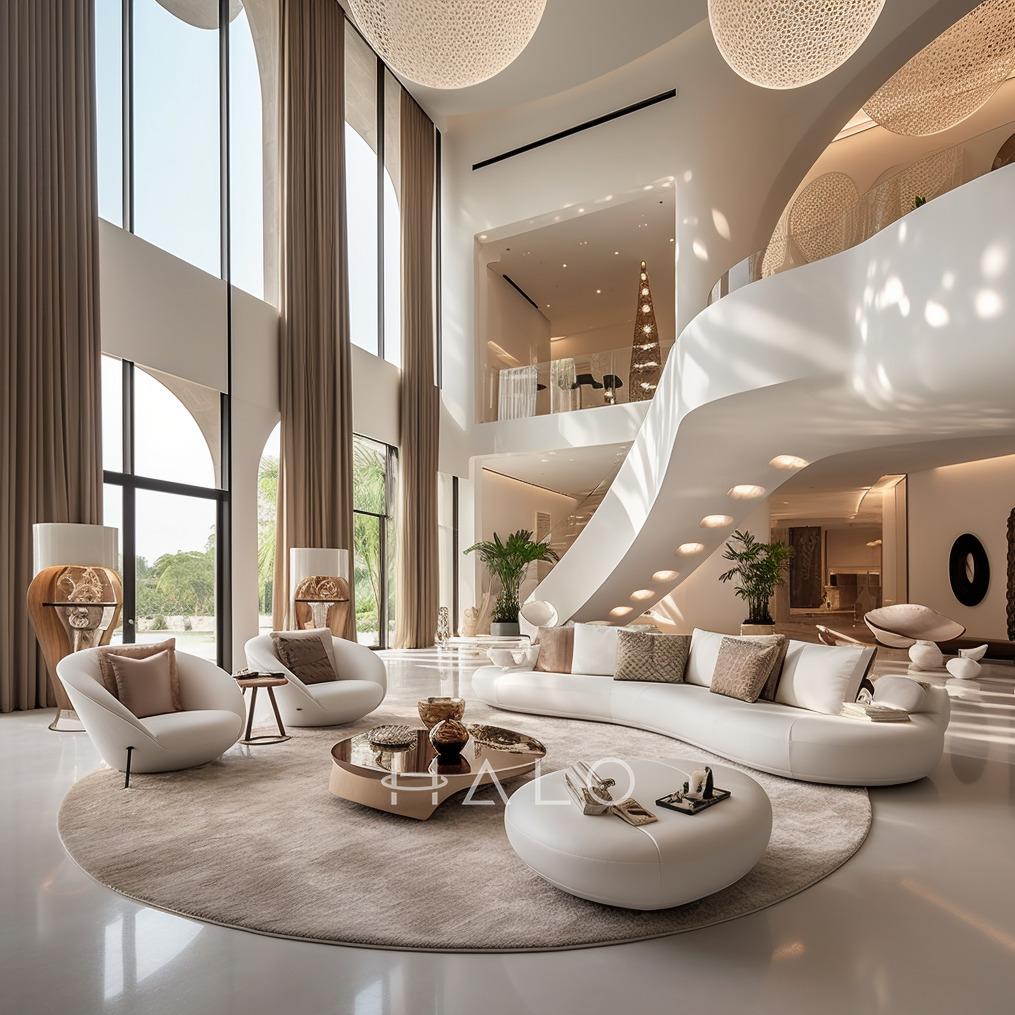
Less is more - clean, uncluttered spaces that focus on essential elements and functionality.
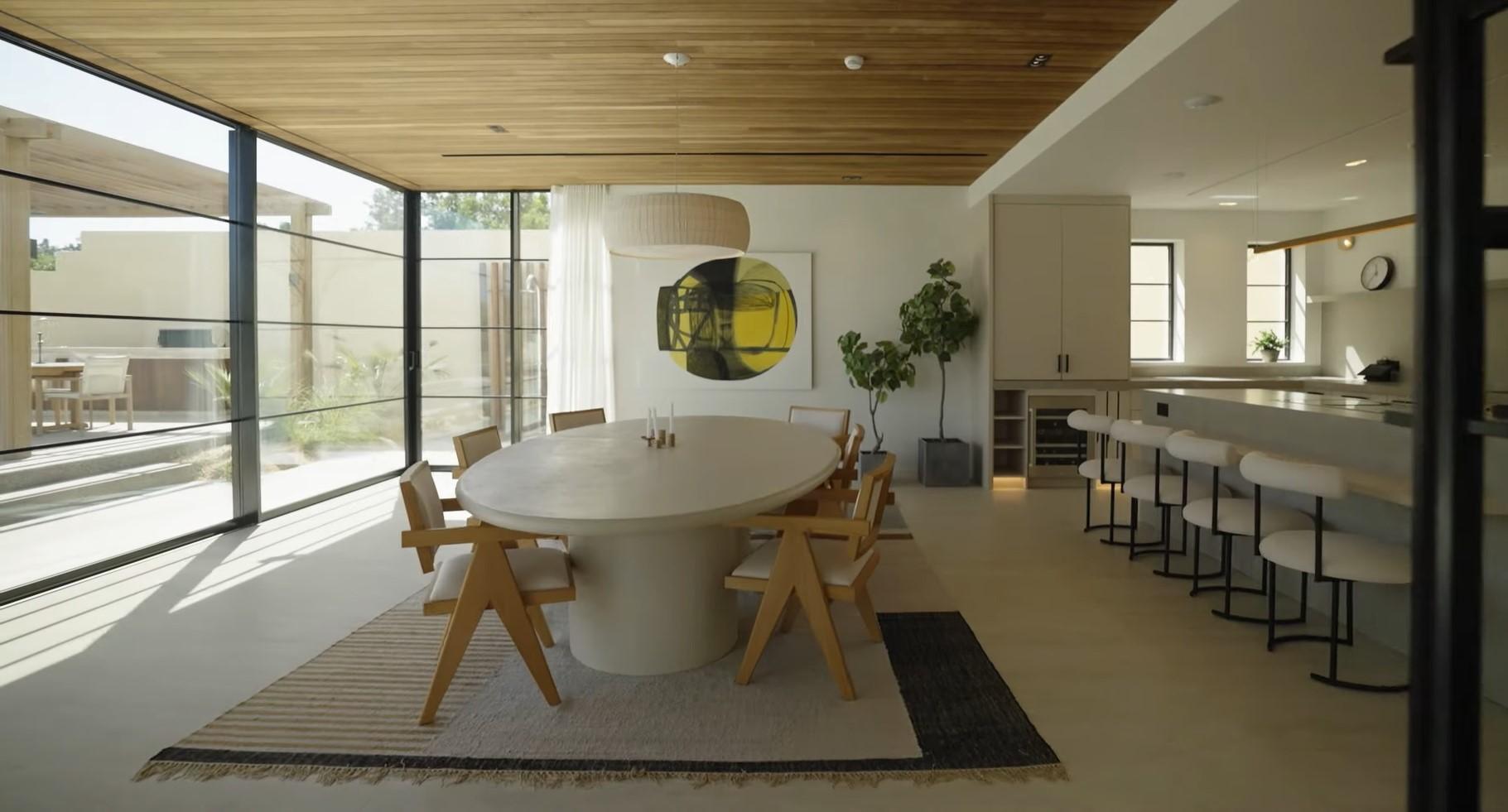
Timeless elegance combining classical architecture with modern comfort and sophistication.
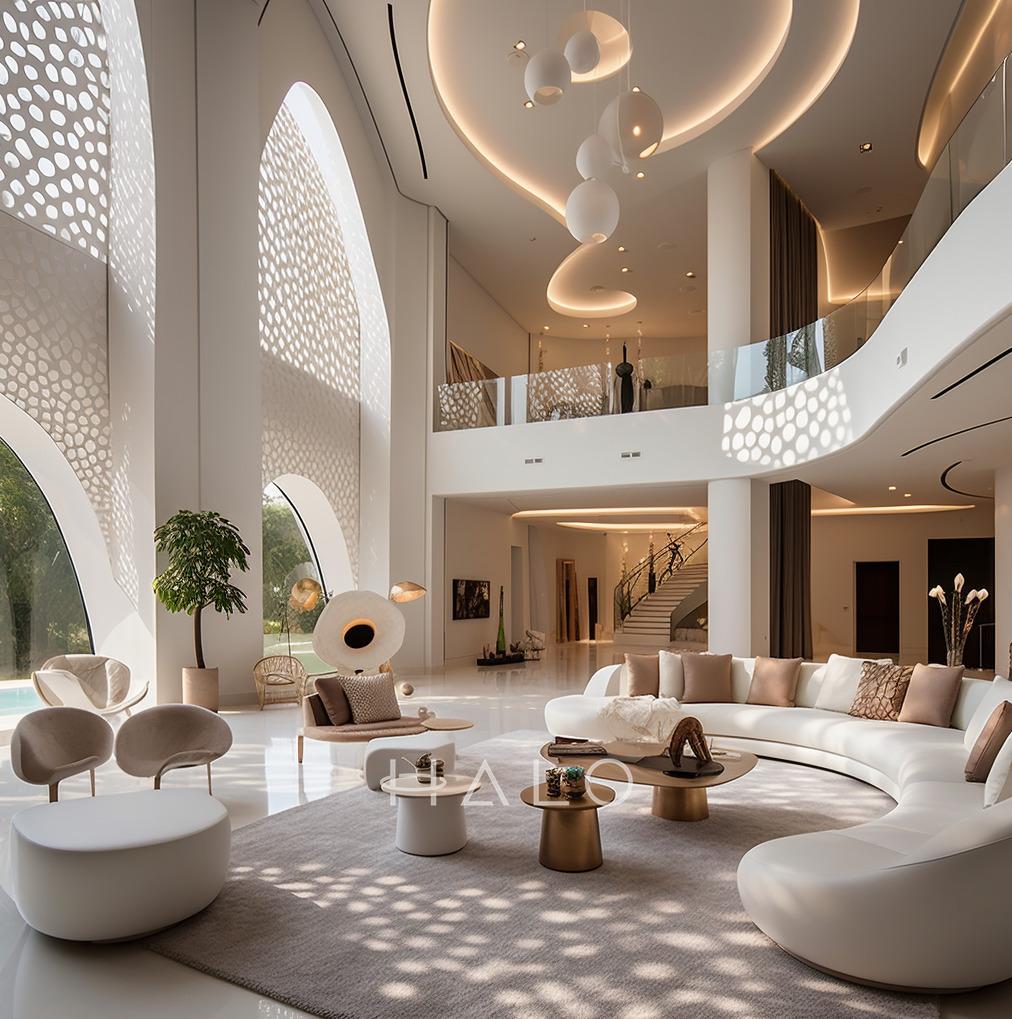
Warm, inviting interiors inspired by coastal European elegance with natural textures and earthy tones.
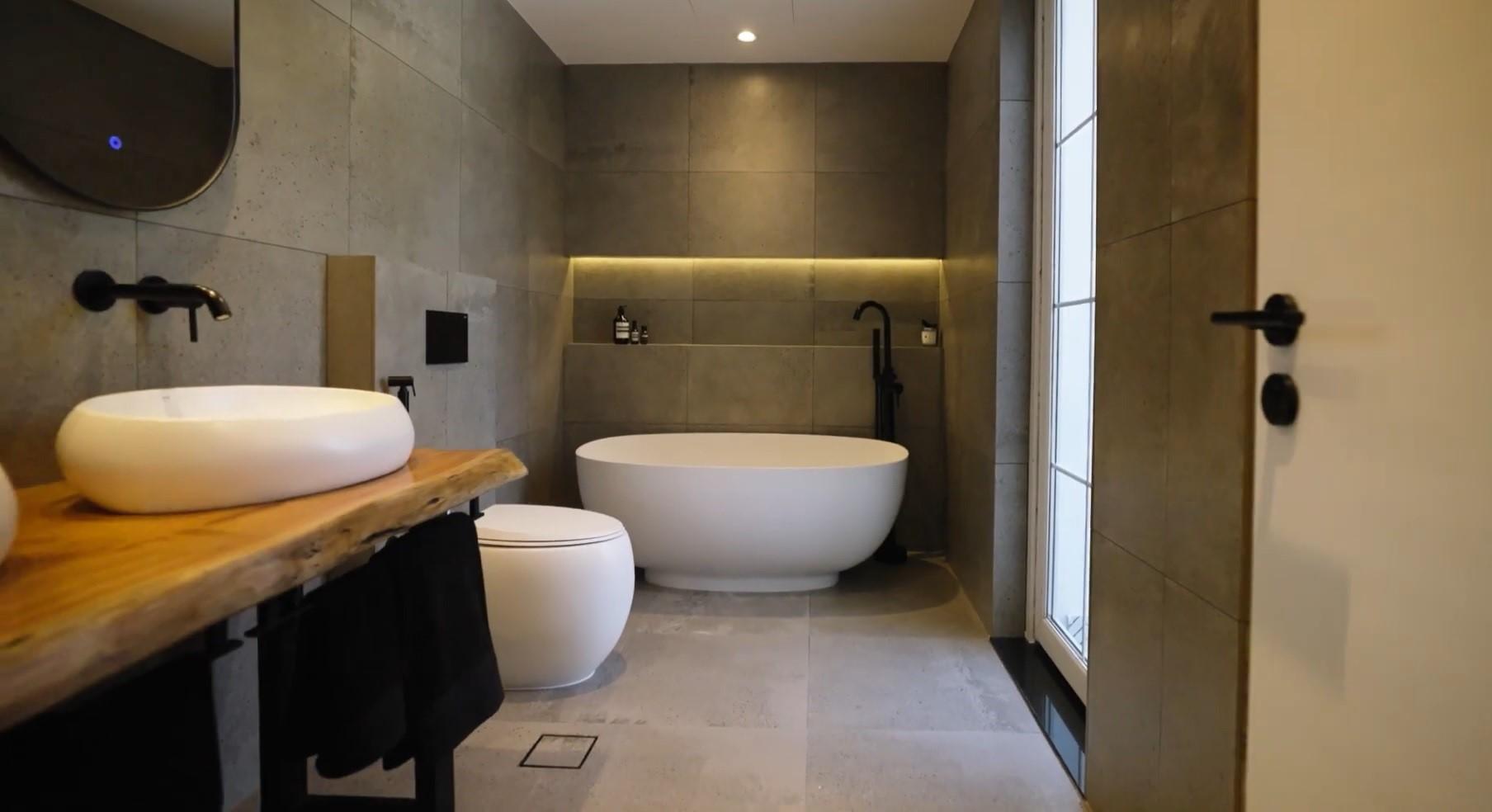
Harmonious blend of Japanese minimalism and Scandinavian functionality with natural materials.
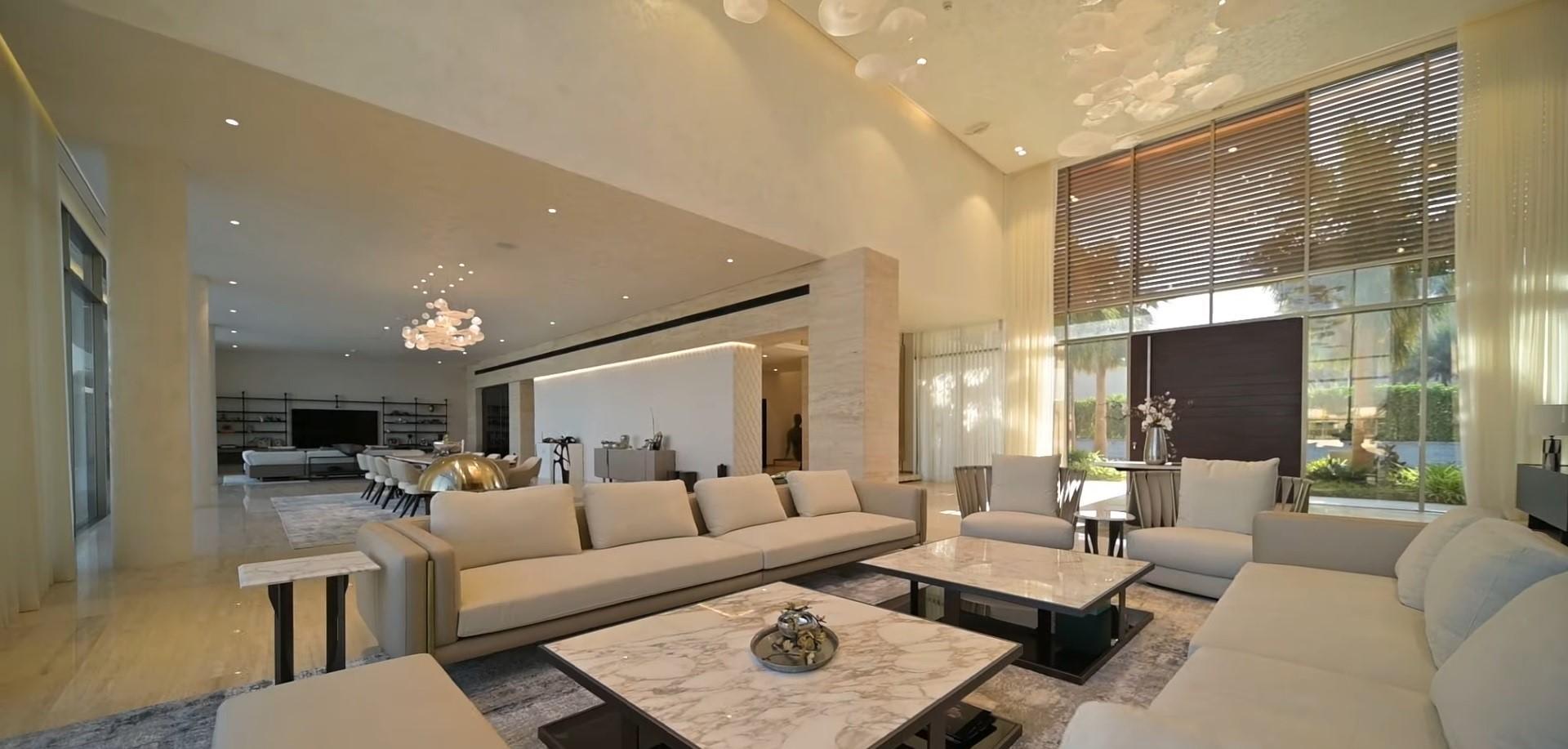
Ornate craftsmanship, layered textiles, and warm jewel tones rooted in regional heritage and hospitality.
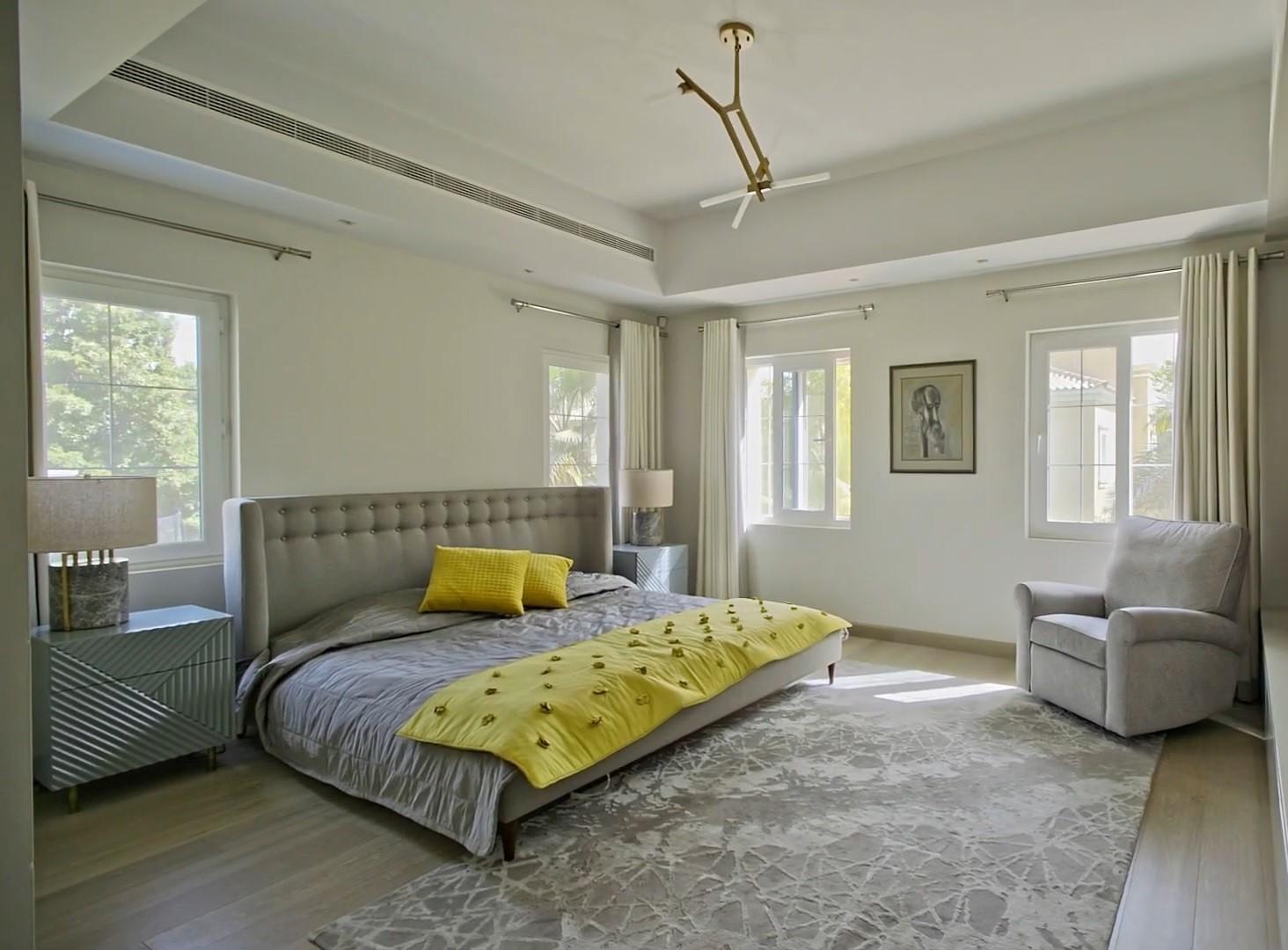
Rustic warmth and lived-in comfort with natural woods, soft whites, and honest, tactile materials.
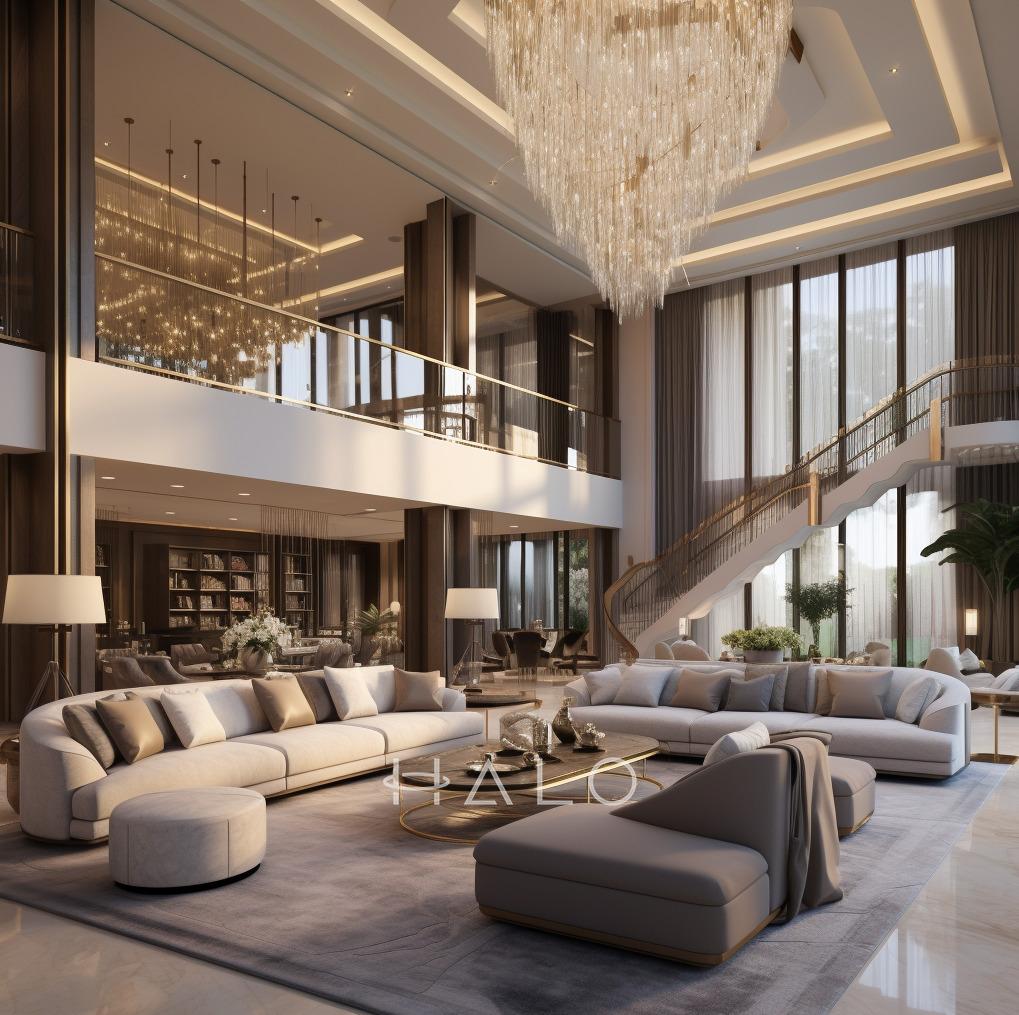
Raw, edgy aesthetics featuring exposed brick, metal, and concrete with urban sophistication.
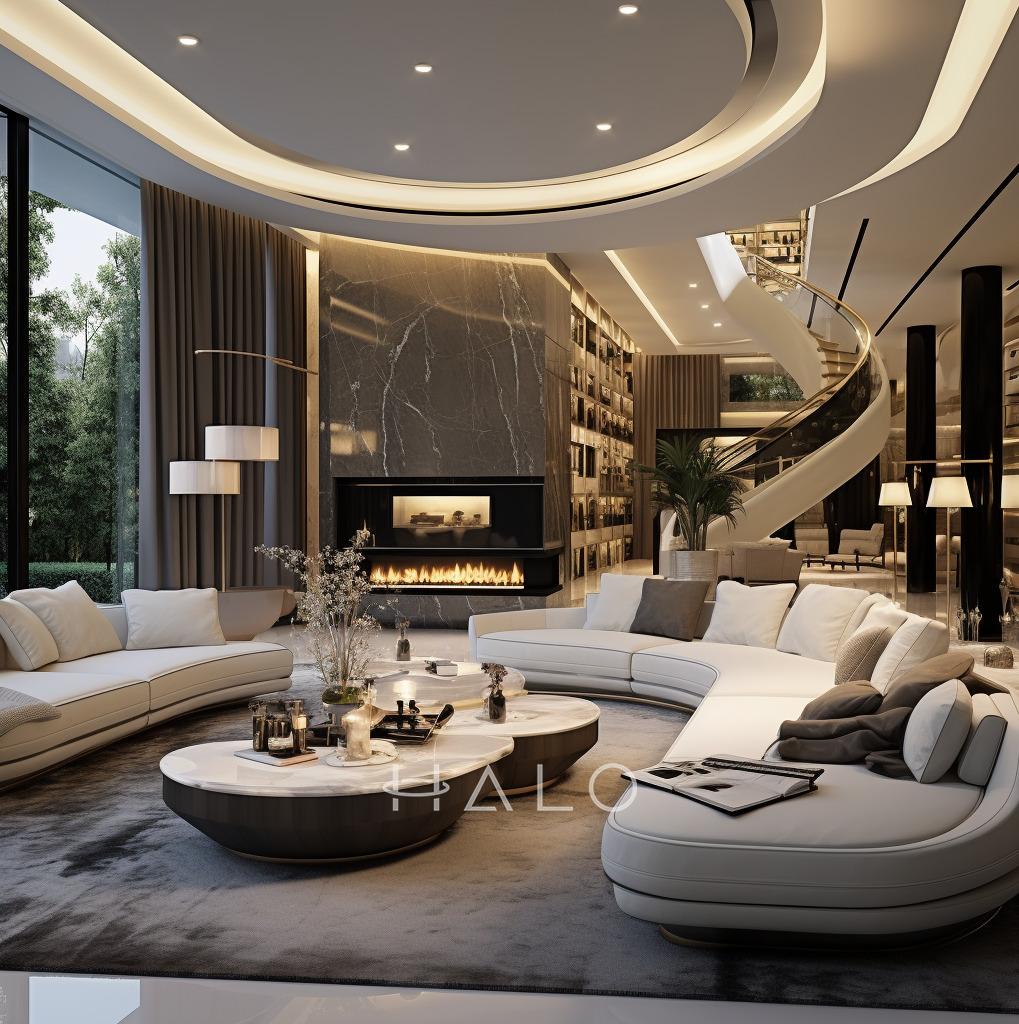
Opulent, sophisticated interiors featuring premium materials, bespoke finishes, and exceptional craftsmanship.
Calming, restorative interiors built on biophilic principles, natural materials, and soft, soothing palettes.
From concept to completion, we deliver every aspect of interior design, fitout, and property services under one roof.
Book a consultation and we will look at the property, work out how much shell needs simplifying, and come back with a costed scope rather than a mood board.