Tile Size and Material
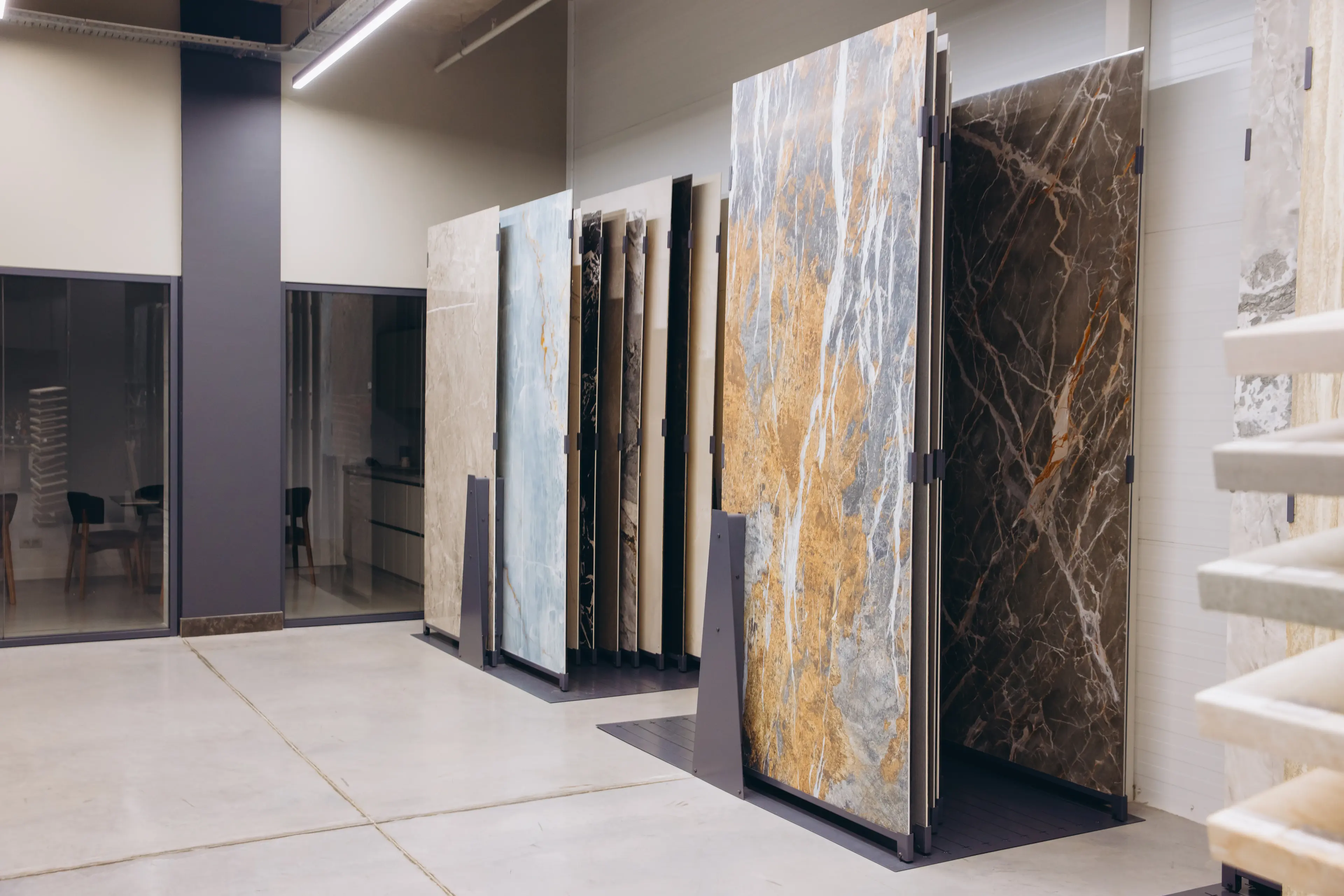
Large slabs, natural stone, mosaics and patterned layouts require different cutting, handling and installation work.

Floor and wall tiling for Dubai villas, apartments and commercial interiors. From porcelain and ceramic to mosaics and large-format slabs, Halo plans the base, layout, joints and surrounding details before fixing begins.
A durable tiled surface depends on the complete installation beneath and around the tile: substrate, adhesive, joints, drainage where needed and edge details. Halo reviews the existing surface and selected tile before defining the fixing scope. We coordinate floors and walls with doors, skirting, sanitaryware and joinery so the finished level and layout work across the room. Supply-and-install and client-supplied tile responsibilities are agreed in the quotation.
Discuss Your ProjectLarge slabs, natural stone, mosaics and patterned layouts require different cutting, handling and installation work.
Removal, disposal, screed repair, levelling and moisture issues can materially change the total from a straightforward fixing rate.
Waterproofing, drains, falls, niches, stairs, mitred edges, skirting and movement joints need explicit scope lines.
Tile quantities, wastage, batch availability, spare stock, deliveries, working hours and protection affect procurement and installation.








Our clients include Property Owners, Interior Designers, Consultants and Contractors
Tile material, dimensions and location determine the preparation and fixing method. Review the finish and layout together with the practical installation requirements.
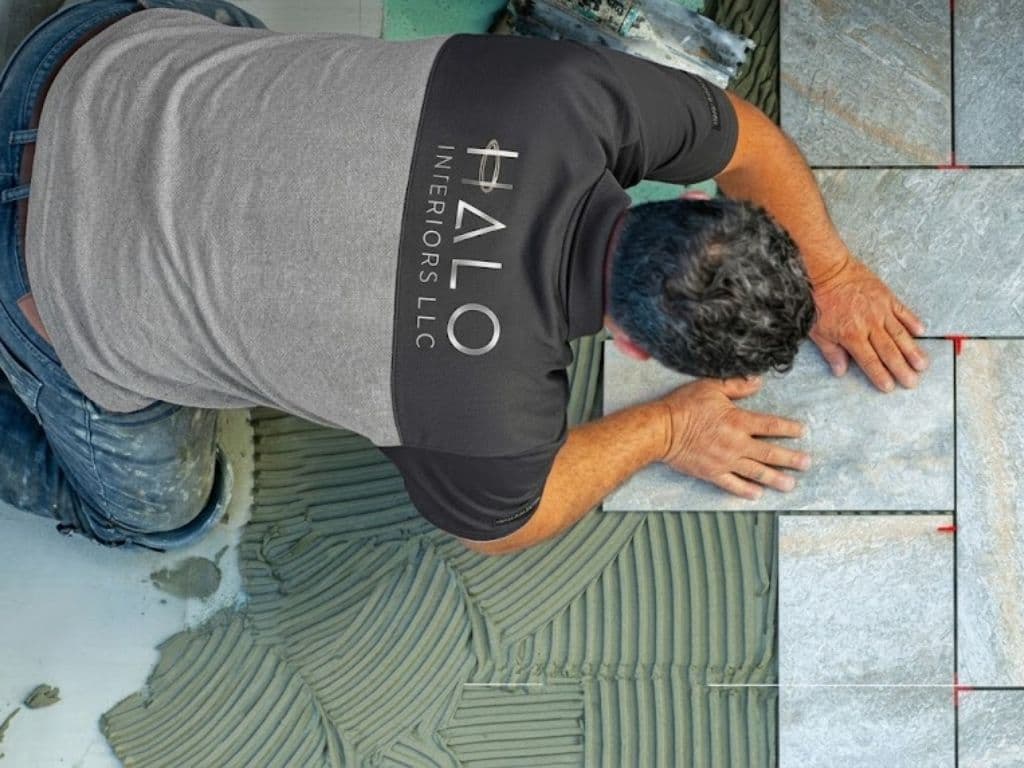
Porcelain floors and walls need compatible adhesive, a suitable base and a planned joint layout. The selected tile format, backing and intended use determine the fixing method and coverage checks.
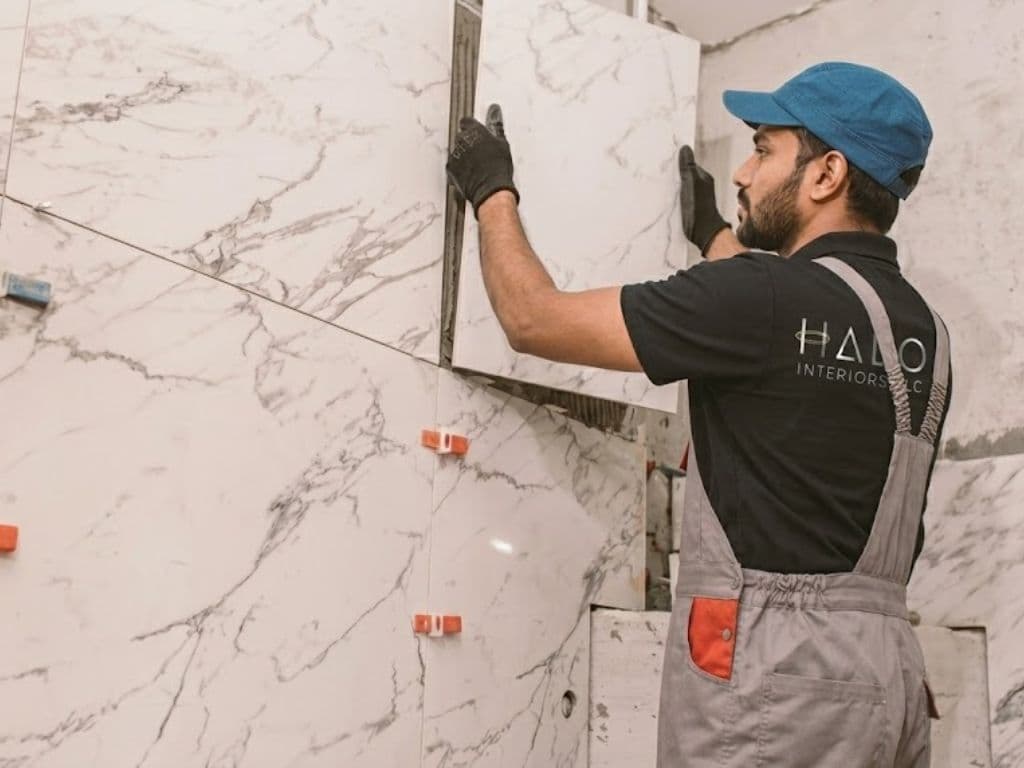
For bathrooms, kitchens and other suitable rooms, plan the layout around fittings, sockets, niches and visible edges. Not every wall tile is suitable for a floor or exterior; use the tile manufacturer’s application guidance.
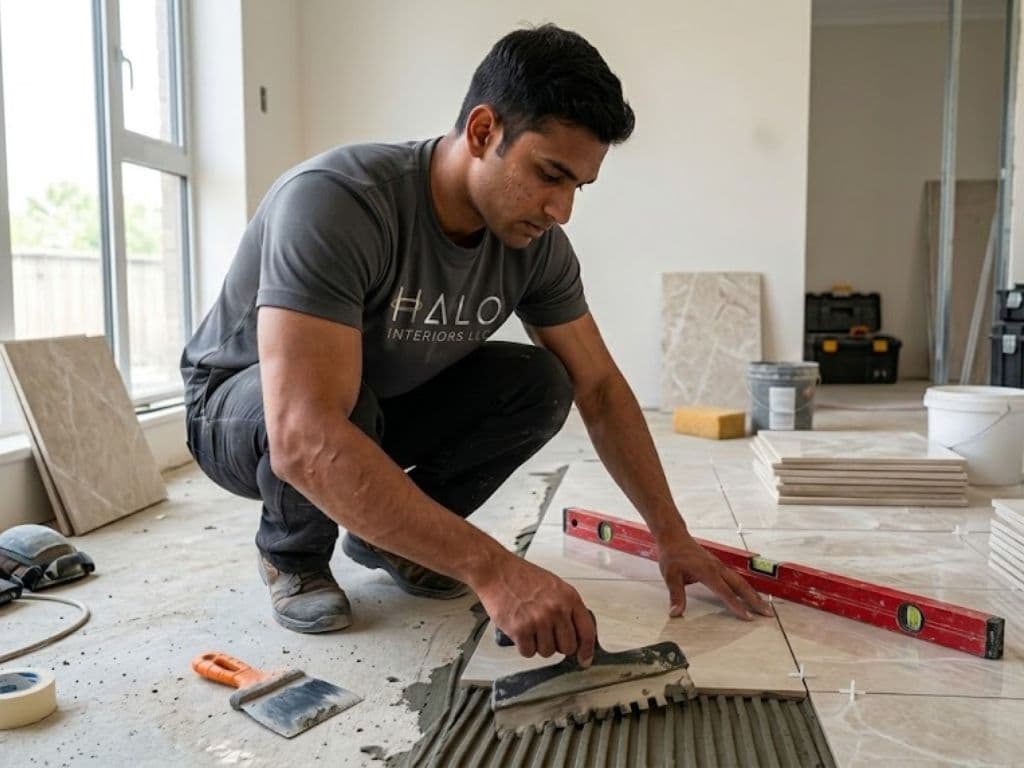
Natural stone needs material-specific checks for staining, moisture sensitivity, shade variation and edge treatment. Adhesive, grout, sealers and cleaning should suit the particular stone rather than follow a standard porcelain specification.

Mosaic sheets make alignment, backing compatibility and grout selection especially important. Agree pattern position, transitions and cuts before the first sheet is installed, particularly around niches and curved details.
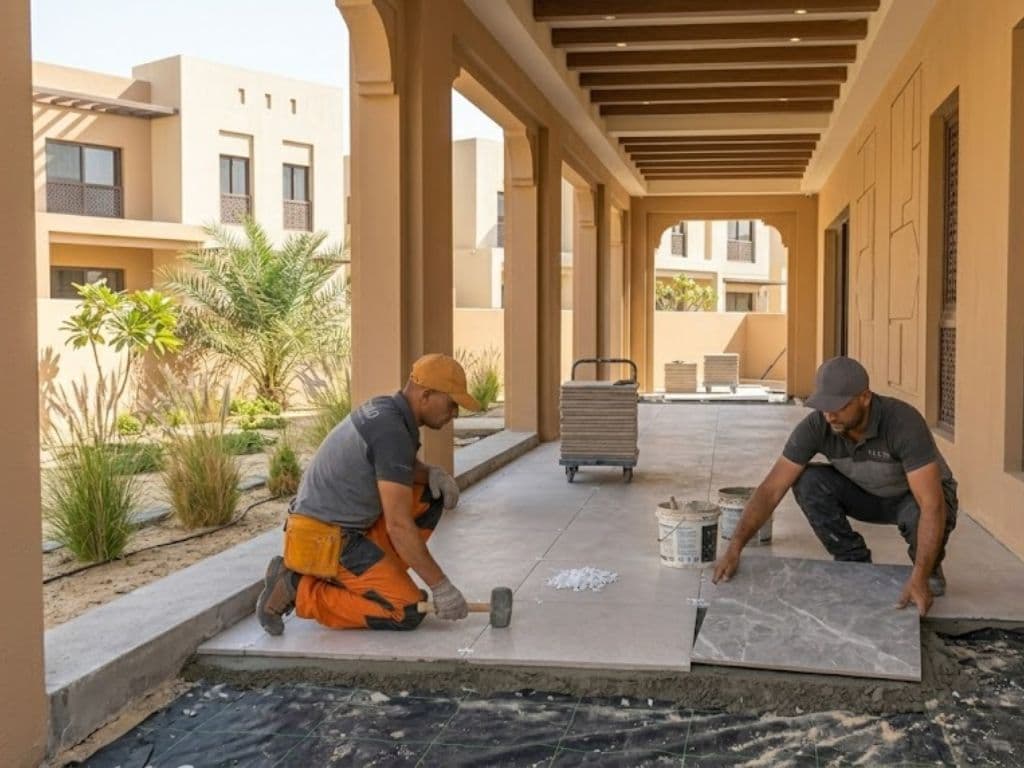
Exterior tiles and the installation system need to suit exposure, drainage, movement and slip requirements. Review thresholds and falls so the new terrace finish does not direct water toward the interior.
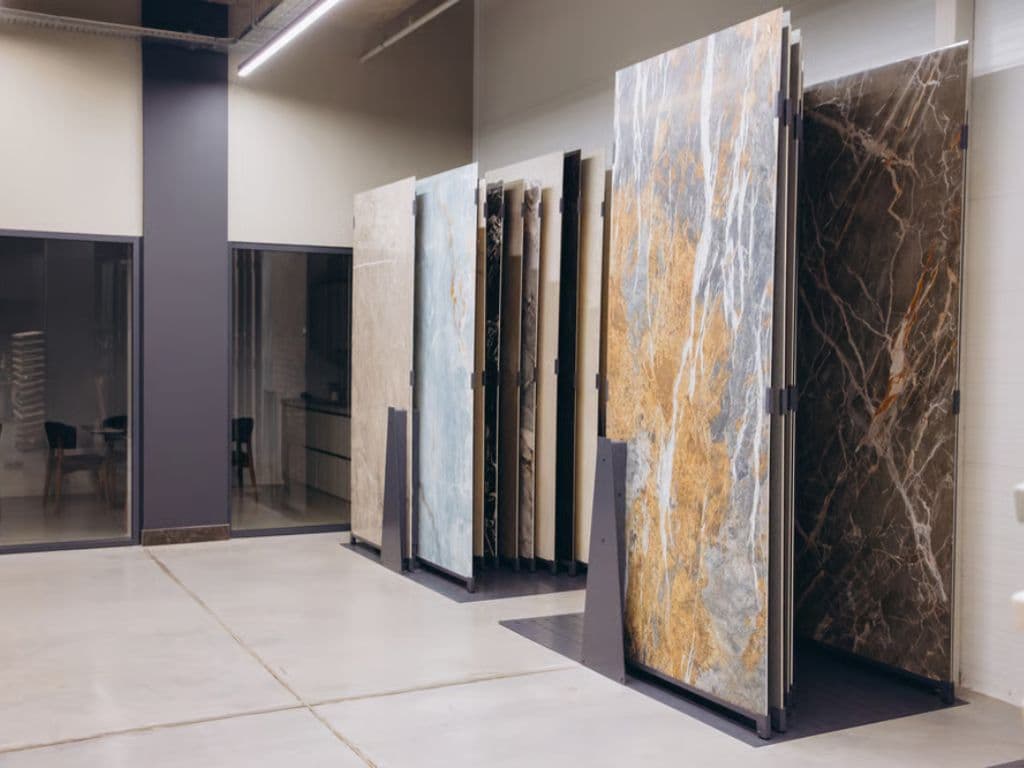
Large pieces require suitable delivery routes, handling, cutting and a sufficiently flat base. Levelling clips help align adjoining edges but do not replace substrate preparation or the specified adhesive coverage.
The lowest fixing rate can describe a very different installation. Confirm these four decisions before comparing quotations.
An overlay may be possible over a suitably bonded, stable surface with the correct preparation. Loose tiles, active cracks, moisture, extra height at doors and the first stair riser can make removal the better route.
Record bonding checks, finished levels, transitions and the chosen preparation method.
Wet-area work needs waterproofing coordination, falls, drain and penetration details before tiling. Tiles and grout should not be treated as the entire waterproofing system.
Identify waterproofing responsibility, agreed testing and the release to tile.
Set the layout from the room’s sightlines, thresholds and fixtures. Tile dimensions, tolerances, material and exposure affect the joint design. A request for no visible grout lines must not remove required joints.
Approve setting out, joint widths, movement details, edge trims and visible cuts.
Client-supplied tiles need agreed quantities, batch checks, delivery dates and responsibility for damage or short supply. Adhesive, grout, sealants, trims and spare stock should have named owners too.
Separate tile supply, consumables, fixing labour, preparation and wastage allowances.
Send room areas, photos, tile size and material, your Dubai location and the preferred finish date.
Review levels, bonding, cracks, moisture, drainage where relevant and the delivery route.
Agree setting out, grout colour, joints, visible cuts, trims and the measured scope.
Complete agreed removal, repairs, levelling, waterproofing and checks before fixing.
Use the specified fixing system and inspect alignment, coverage and detail as the work progresses.
Check the completed surface and junctions, protect it through other works and confirm use and cleaning dates.
A tiling quote should separate tile supply from preparation, consumables and fixing. Floor area alone does not cover wall tiles, skirting, steps or niches. Halo confirms quantities and the actual installation conditions before pricing, so a labour-only rate is not confused with a complete room renovation.
The programme begins with tile availability and surface preparation. Screeds, waterproofing, adhesives, grout and sealants have their own release conditions. Agree when the area can be walked on, cleaned, exposed to water or loaded with furniture, using the selected product guidance and site conditions.
Agree what gets checked during installation and what you need to maintain after handover.
Check the agreed layout, levels, joints, transitions and adhesive coverage during work. Finished-surface appearance alone cannot confirm what is beneath a tile.
Keep construction traffic off the floor until it is released for use. Use suitable protection while joinery, furniture or other trades are still being installed.
Retain the agreed batch-matched spares and product details. Follow material-specific cleaning advice, especially for natural stone, grout and sealed surfaces.
Share your villa community, apartment building or commercial premises. Halo reviews projects across Dubai, including Palm Jumeirah, Dubai Hills Estate, Arabian Ranches, Jumeirah, Dubai Marina, Downtown Dubai and Business Bay. Access, approvals and the installation method depend on the property and scope.
Confirm the exact building, permitted work hours, loading route, service-lift access and whether the property stays occupied.
Identify applicable landlord or community permissions before work. Changes to a façade, building services or wet areas need a project-specific review.
Connect the specialist installation with the wider renovation, adjacent finishes and handover date. Agree any design, procurement or approval work in the proposal.
Practical answers before you select a specification or request a quotation.
The cost depends on tile supply, material and size, measured surfaces, base condition, pattern, access and wet-area work. Ask for tile supply, preparation, consumables and fixing labour to be identified separately in the quote.
Client-supplied tiles can be reviewed as part of the installation brief. Confirm suitability, dimensions, quantity, batch, damage and delivery timing, together with who supplies adhesive, grout, trims and spare tiles.
It may be possible if the existing surface is securely bonded, stable and suitable for the specified system. The survey also checks new floor height, doors, thresholds, drainage and movement. Loose tiles or unresolved moisture can require removal and repair.
Only when waterproofing is expressly included in the scope. Agree the membrane, details at drains and penetrations, preparation and testing before tiling. Tiles and grout alone should not be treated as a complete waterproofing system.
Large-format tiles and slabs need suitable handling, cutting access, substrate flatness and a compatible fixing method. Layout, joint width, adhesive coverage and permissible edge differences should be agreed before installation.
A minimal-joint appearance still needs appropriate joints. Tile tolerances, substrate conditions, manufacturer guidance and movement requirements determine the details. Do not omit required movement joints to create a visually continuous floor.
Choose a tile and installation system documented for the actual exterior use, including slip requirements and exposure. Drainage, falls, thresholds, movement joints and substrate suitability must be planned with the material selection.
Use dates depend on the preparation products, adhesive, grout, sealants and site conditions. Confirm separate release times for foot traffic, cleaning, wet use and heavy loads rather than assuming the area is ready when grouting is complete.
Share your Dubai location, current photos and requirements for tile installation. Our team will review your brief on WhatsApp and arrange the appropriate next step.
Photos and measurements help identify the next technical checks.
Confirm products, finish choices and installation responsibilities.
Discuss preparation, access, programme and handover together.
From concept to completion, we deliver every aspect of interior design, fitout, and property services under one roof.
Send your Dubai location, current photos, measurements and preferred completion date. Halo will review the requirements and arrange the appropriate next step.


